

Wondering how to look beautiful with makeup without spending hours in front of the mirror? You are in the right place. Good makeup is not about covering your face. It is about bringing out the features you already love, and you can learn it with a few simple tools and a little practice.
In this guide you will learn how to do makeup from start to finish, including how to do face makeup, with clear makeup instructions you can follow at home. Whether you are a complete beginner or you just want to improve your routine, these basic makeup steps will show you how to apply makeup for a fresh, polished look.
Quick answer: To look beautiful with makeup, prep your skin, apply a thin layer of foundation, conceal only where needed, set the oily areas with powder, shape your brows, define your eyes, add blush and finish with lip colour. Keep layers light and blend well. It takes about 10 to 15 minutes once you know the steps.

What Does It Mean to Look Beautiful with Makeup?
Makeup works best when it makes you look like the best, most rested version of yourself. Evening out your skin tone, adding a little colour to your cheeks and lips, and defining your eyes is often all it takes.
Heavy layers rarely look better. Light, well-blended makeup usually looks more natural and more flattering. If you want an everyday style, our guide to a natural makeup look, step by step shows how to keep things soft and simple.
Before You Start: Skin Prep and Tools
Makeup sits on top of your skin, so the better your skin feels, the better your makeup will look. Prep takes only a few minutes.
- Cleanse your face to remove oil and dirt.
- Moisturise so your skin is soft and not dry or flaky.
- Apply sunscreen in the morning. Sunscreen is an important daily step, and you can read more about sun protection from the American Academy of Dermatology.
If you are not sure about your base routine, read our skin care routine steps first.
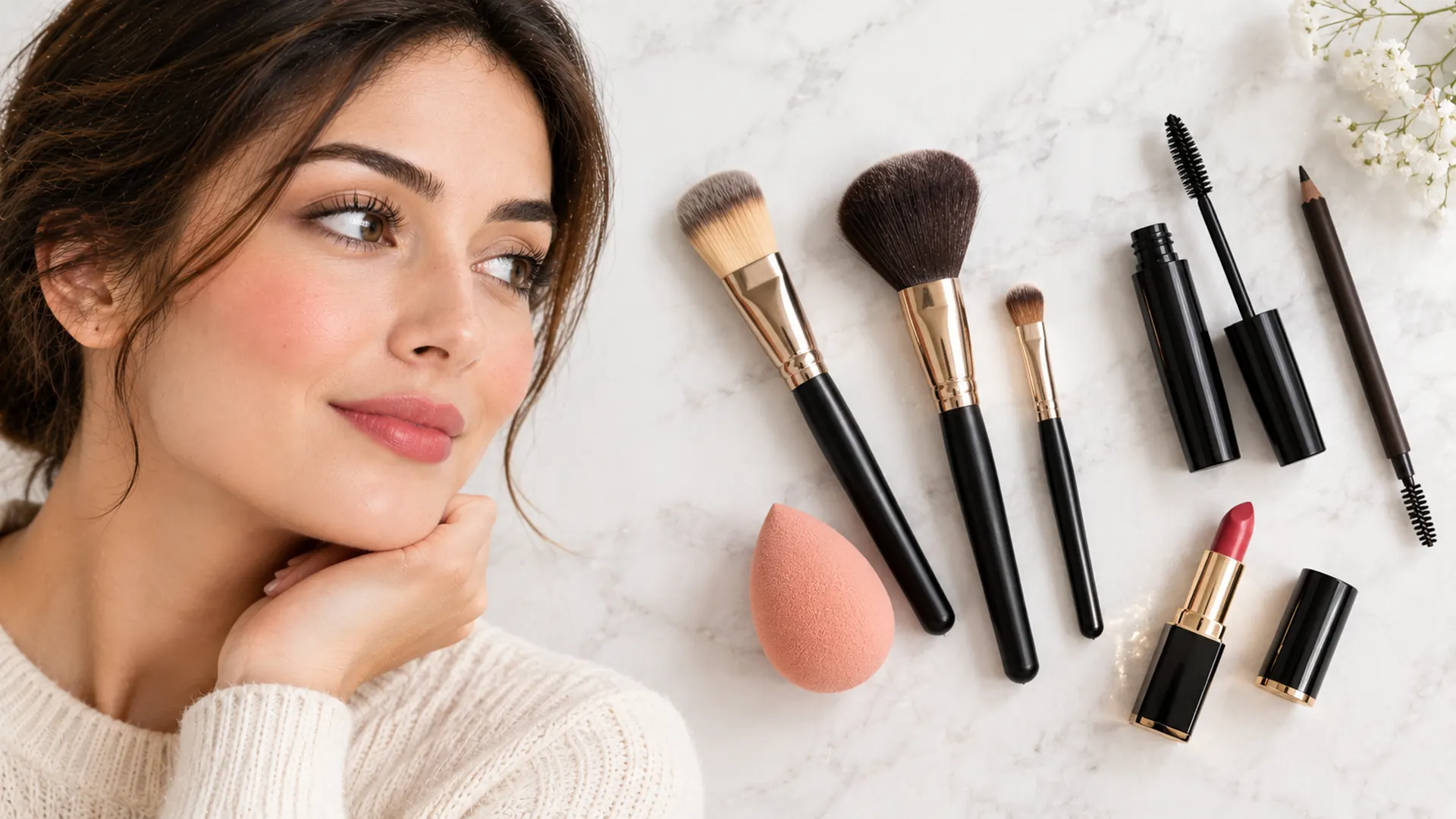
Basic tools to have:
- A foundation brush or a damp makeup sponge
- A small brush for concealer
- A fluffy brush for powder and blush
- An eyeshadow brush
- Mascara and a brow pencil or brow gel
- A lipstick or tinted lip balm
You do not need a big kit. A few good products you actually use are better than a drawer full of items you never touch.
Choosing the Right Products for Your Skin Type
Your skin type changes how products look and feel on your face, so it helps to choose with it in mind when you decide how to apply makeup.
- Oily skin: Look for oil-free or matte foundations, and use powder on the shiny areas such as the forehead, nose and chin.
- Dry skin: Cream or liquid products with a soft, dewy finish usually look smoother. Prepare the skin well with moisturiser and go easy on powder.
- Combination skin: Use a light base all over and powder only the oily zones. You can also use different products on different areas.
- Sensitive skin: Choose gentle, fragrance-free products and test anything new on a small patch of skin first.
If you are not sure of your skin type, notice how your face feels a few hours after cleansing. Shiny all over means oily, tight and flaky means dry, and shiny only in the centre means combination.
Basic Makeup Steps: How to Put Makeup On in the Right Order
If you are learning how to do makeup, the order matters. Here is a simple routine to follow. This is also the easiest way to remember how to put makeup on without making a mess.
| Order | Step | Where to focus |
|---|---|---|
| 1 | Skin prep | Cleanse, moisturise, sunscreen |
| 2 | Foundation or tinted moisturiser | Center of the face, blend outward |
| 3 | Concealer | Under eyes, around nose, blemishes |
| 4 | Powder | Only the oily zones |
| 5 | Brows | Fill sparse areas, brush upward |
| 6 | Eyes | Neutral shadow, mascara |
| 7 | Blush | Apples of the cheeks, blend up |
| 8 | Lips | Colour close to your natural lips |
| 9 | Setting spray (optional) | Light mist at arm’s length |
Now let us go through each step.
How to Do Face Makeup: Base, Concealer and Cheeks
The face is where many beginners feel stuck, so take it one layer at a time.
Step 1: Apply foundation or tinted moisturiser
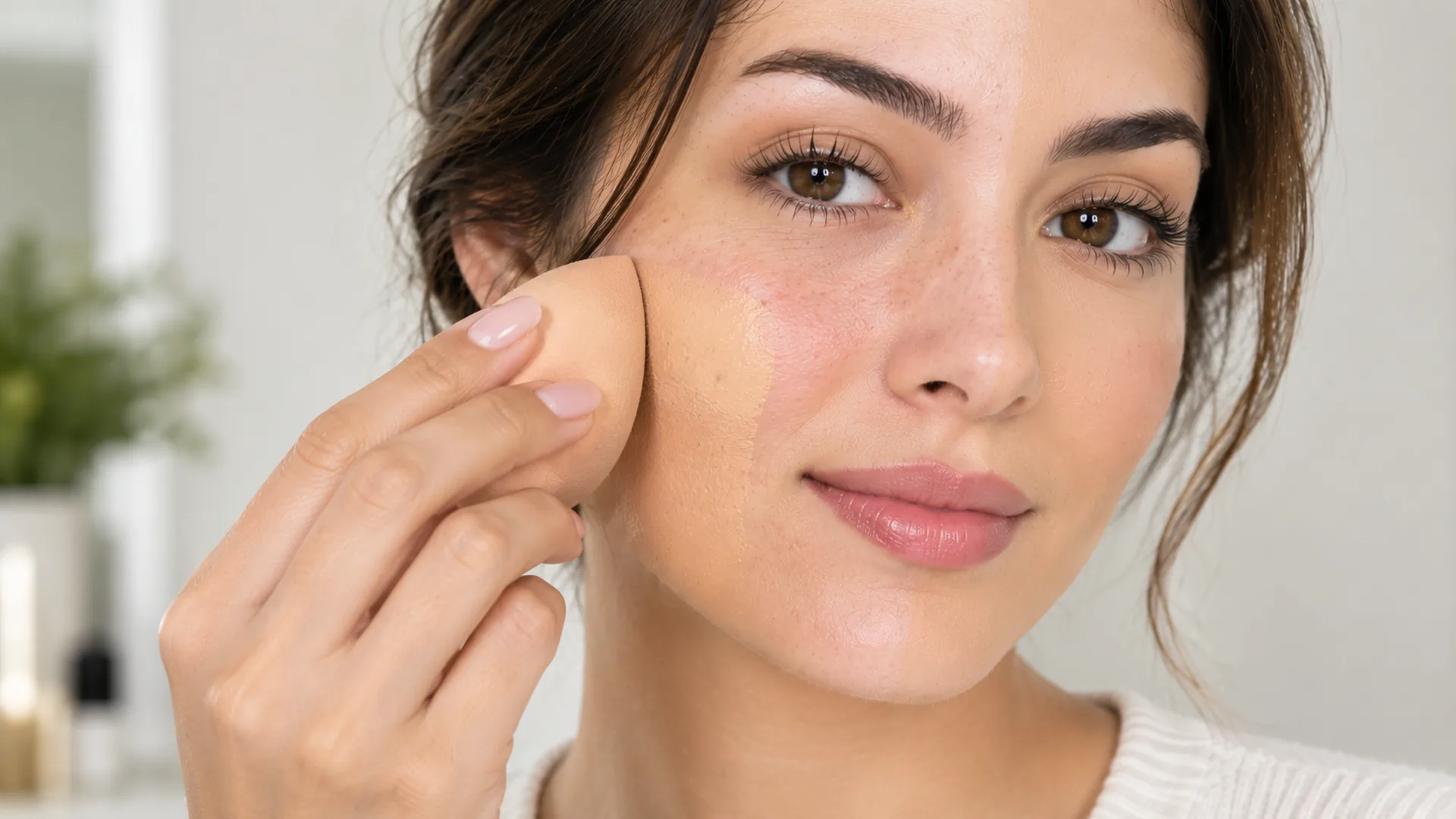
Choose a shade that matches your skin tone. A good way to test is to place a small line of product along your jaw and see whether it disappears into your skin. If it does, it is a good match.
Start with a small amount. Dot it on your forehead, cheeks, nose and chin, then blend with a damp sponge or brush. You can always add more, but it is hard to remove too much. If you prefer a very light finish, a tinted moisturiser is a great place to begin.
Step 2: Add concealer only where you need it
Concealer helps hide dark circles, spots or redness. Apply a small amount under the eyes, around the nose, and on any blemishes. Tap it gently with your finger or a small sponge so it blends into the skin.
Step 3: Set with a light touch of powder
Powder helps your makeup last longer. Use a fluffy brush and apply a thin layer on the areas that get oily, such as the forehead, nose and chin. Skip powder on dry areas, as too much can look heavy.
Step 4: Apply blush for a fresh look
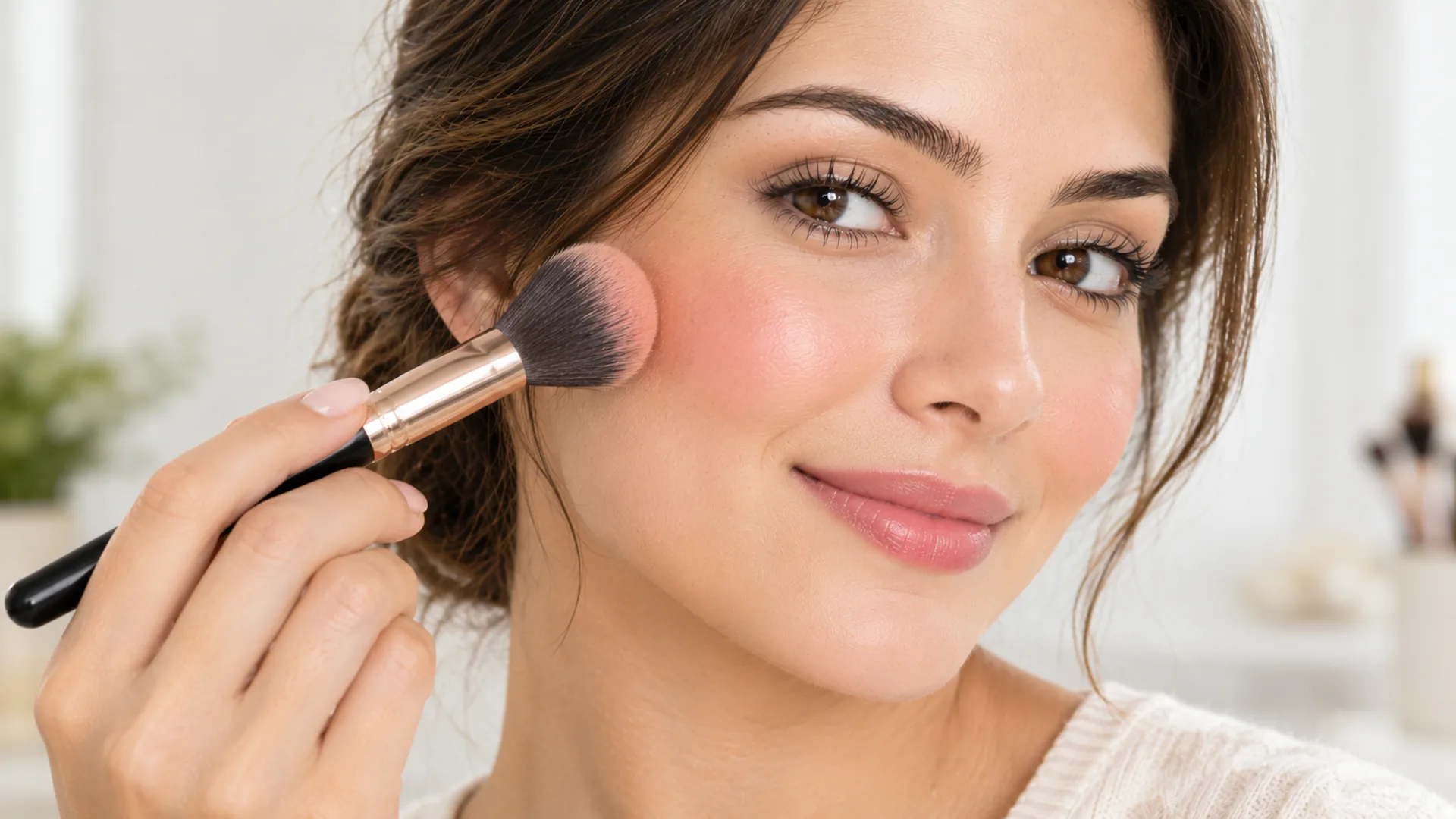
Blush adds life to your face. Smile, then place the colour on the round part of your cheeks and blend it upward toward your temples. Soft pink or peach shades suit many skin tones, but choose what feels natural to you.
Eyes, Brows and Lips: Finishing Your Look
Step 5: Shape your brows
Brows frame your face. Use a brow pencil or gel to fill in sparse areas with light, short strokes, following your natural shape. Brush them upward to finish.
Step 6: Define your eyes
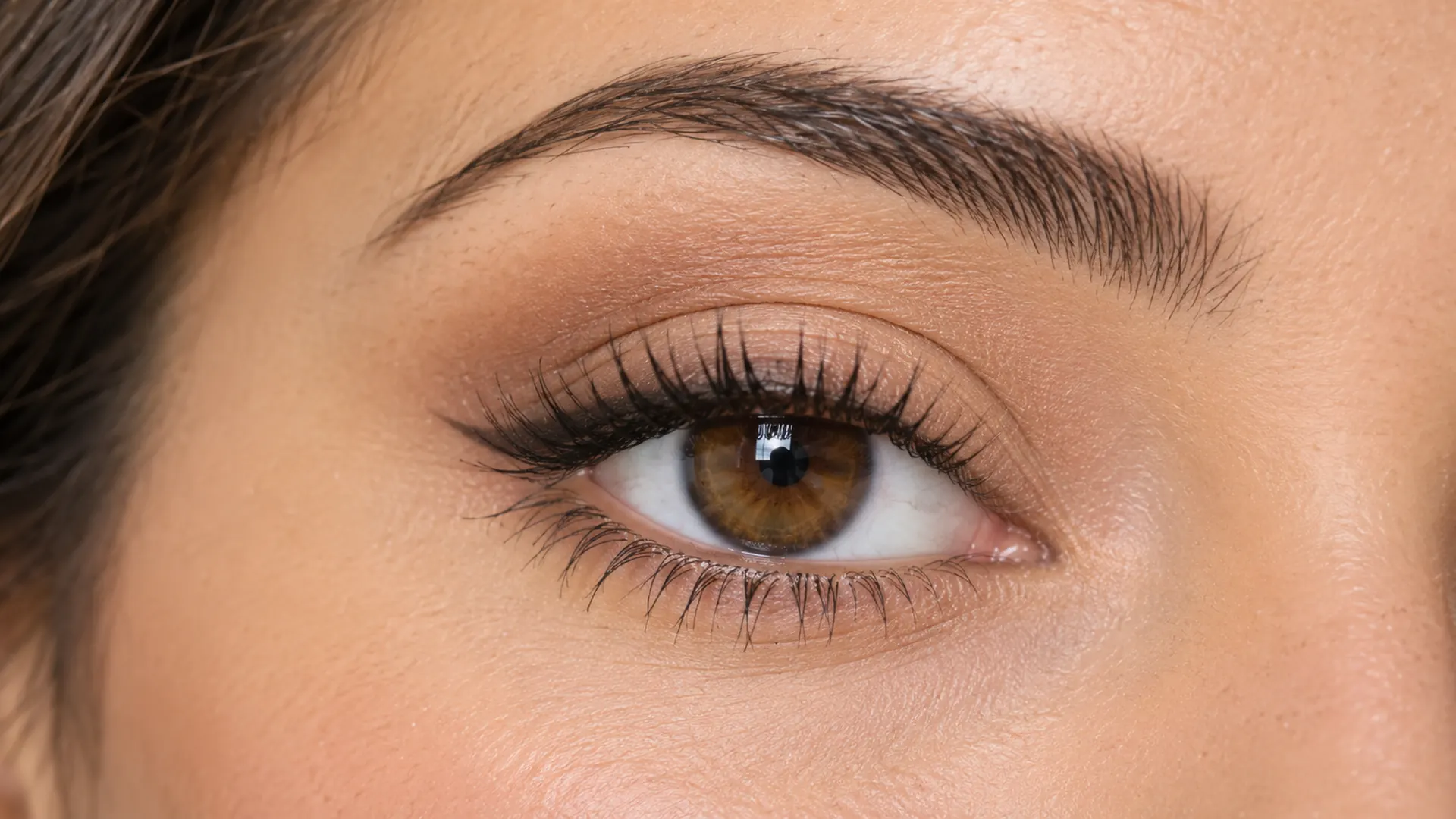
For a simple everyday eye look:
- Sweep a neutral eyeshadow across the lid.
- Add a thin line of eyeliner close to your upper lashes if you like.
- Curl your lashes and apply one or two coats of mascara.
Keep your hand light. Neutral colours such as beige, soft brown and taupe work for most people and are easy to blend.
Step 7: Finish with lips
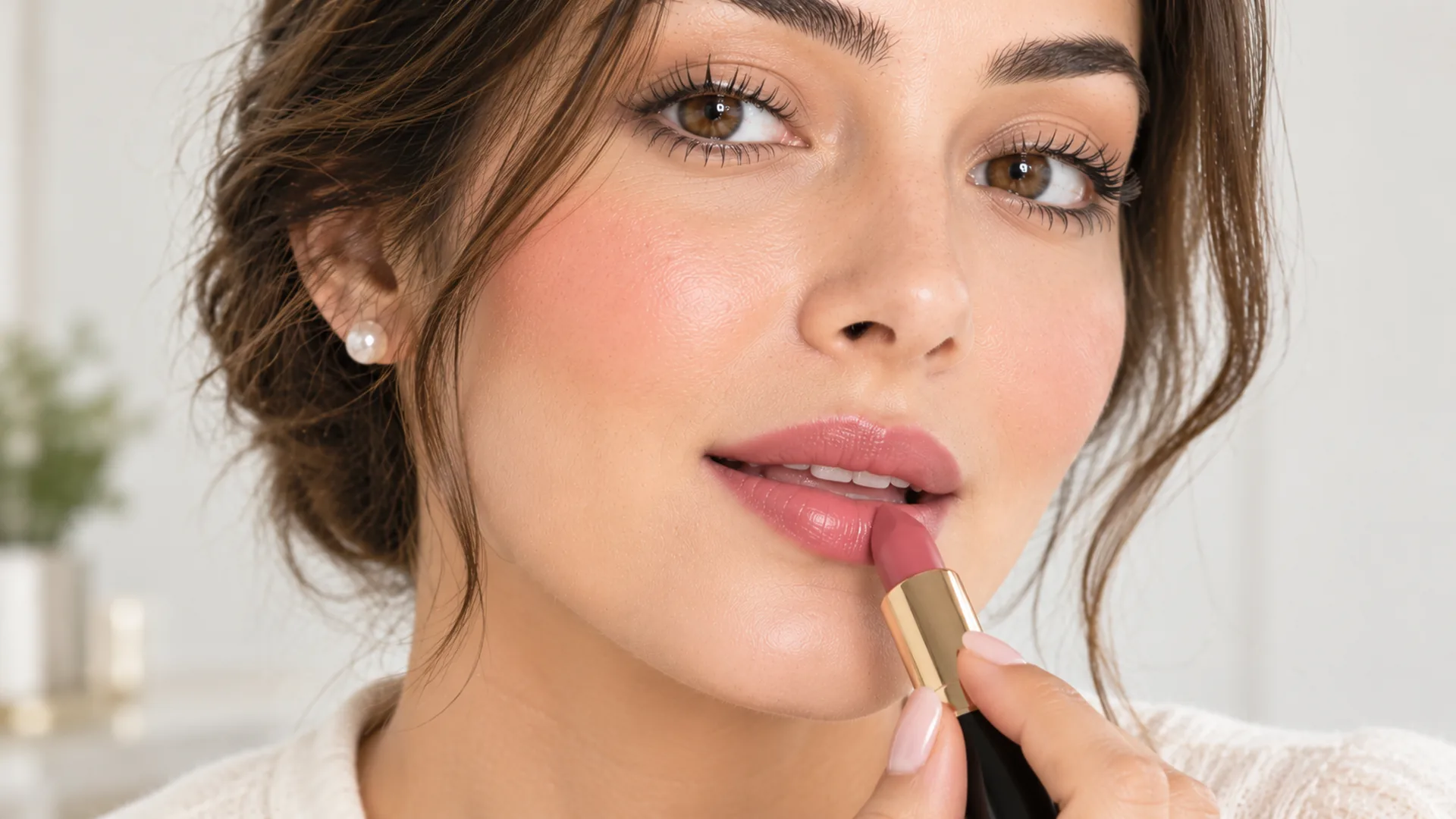
Lip colour can change your whole look. Choose a shade close to your natural lip colour for daytime, or go bolder for evenings. If your lips feel dry, use a lip balm first so the colour glides on smoothly.
Step 8: Set your makeup (optional)
A setting spray can help your makeup last through the day. Hold the bottle at arm’s length and spray lightly.
How to Make Your Makeup Last All Day
Nothing is more frustrating than makeup that fades or slides by lunchtime. A few small habits can help it last longer.
- Do not skip skin prep. Moisturised skin holds makeup better than dry, flaky skin.
- Layer thin coats. Several thin layers stay in place longer than one thick layer.
- Set only where needed. Powder the areas that get oily, and leave dry areas fresh.
- Use a setting spray. A light mist helps blend everything together and keeps it in place.
- Carry a few basics. Blotting papers, a lip colour and a small mirror are enough for quick touch-ups.
Hot or humid weather is hard on makeup. In summer, choose lighter products and avoid piling on layers.
Simple Makeup Instructions: Quick Cheat Sheet
Keep this short list on your phone as a reminder of the basic makeup steps:
- Clean, moisturised skin first
- Thin layers, then build
- Blend, blend, blend
- Keep colours close to your natural tones
- Check your face in natural light
- Finish with lips and a light setting spray
How to Look Beautiful with Makeup Naturally: Extra Tips
- Use natural light. Daylight shows you the truth about shade and blending, so sit near a window when you apply makeup.
- Blend edges. Hard lines around your jaw, eyes or cheeks are the quickest way to make makeup look unnatural.
- Less is more. Start with a little product and build only if you need it.
- Match your skin tone. Choose foundation and blush that suit your undertone, so the colours look like they belong on you.
- Think about your age and skin type. Mature or dry skin often looks best with cream products and lighter powder. If this sounds like you, read is no-makeup makeup good for mature skin.
How to Take Your Makeup Off Properly
Looking beautiful with makeup also means caring for your skin once the day is over. Removing makeup properly keeps your skin clean and comfortable.
- Start with the eyes. Hold a cotton pad with a gentle remover on your closed eye for a few seconds, then wipe softly instead of rubbing.
- Remove face makeup. Use a cleansing balm, micellar water or an oil cleanser to break down foundation and lip colour.
- Wash your face. Follow with your usual cleanser to remove what is left.
- Moisturise. Finish with your night-time skin care.
Clean your brushes regularly, because dirty tools can carry oil and bacteria back onto your face. A gentle shampoo or brush cleanser and lukewarm water works well.
Common Makeup Mistakes to Avoid
- Using too much foundation. It can sit in lines and look cakey.
- Wrong shade. A mismatched colour is easy to spot, especially at the jawline.
- Skipping blending. Un-blended blush or concealer looks patchy.
- Dirty tools. Brushes and sponges collect oil and bacteria. Wash brushes regularly and replace sponges often.
- Old products. Mascara is usually best replaced about every three months to avoid eye irritation.
- Sleeping in makeup. Always remove your makeup before bed.
Learn How to Do Makeup: A 4-Week Practice Plan
The best way to learn how to do makeup is to practise a little at a time.
- Week 1: Focus on your base. Practise foundation and concealer until the blending feels easy.
- Week 2: Add blush and brows.
- Week 3: Add mascara and a simple eye look.
- Week 4: Add lip colour and put the whole routine together.
Take a quick photo in daylight after each practice and compare. You will see your skill improve quickly. For more beginner ideas, browse all our makeup tips.
Frequently Asked Questions
How can I look beautiful with makeup every day?
Keep your routine simple. Use clean, moisturised skin, a light base, a touch of blush, mascara and a lip colour you like. Consistency matters more than using many products.
What are the basic makeup steps for beginners?
Start with skin prep, then foundation, concealer, powder, brows, eyes, blush and lips. Take it one step at a time.
How do I put makeup on in the right order?
Go from skin prep to foundation, concealer, powder, brows, eyes, blush and lips, and finish with an optional setting spray. Doing the base first and the details last keeps your makeup clean and even.
How to apply makeup on sensitive skin?
Choose gentle, fragrance-free products and test new ones on a small patch of skin first. If you get redness or irritation, stop using the product and speak to a doctor or a skin specialist.
How long does it take to learn makeup?
Most people feel comfortable with the basics after a few weeks of regular practice. Your skill keeps improving the more you do it.
Do I need expensive products?
No. A well-chosen shade and good blending matter more than the price tag.
Final Thoughts
Learning how to look beautiful with makeup is a skill, and like any skill, it grows with practice. Start with the basics, keep your layers light, blend well, and choose colours that suit you. Soon the steps will feel natural, and you will enjoy the process as much as the result.
Which part of the routine do you find hardest? Tell us in the comments, and we will share more tips in our next makeup guides.