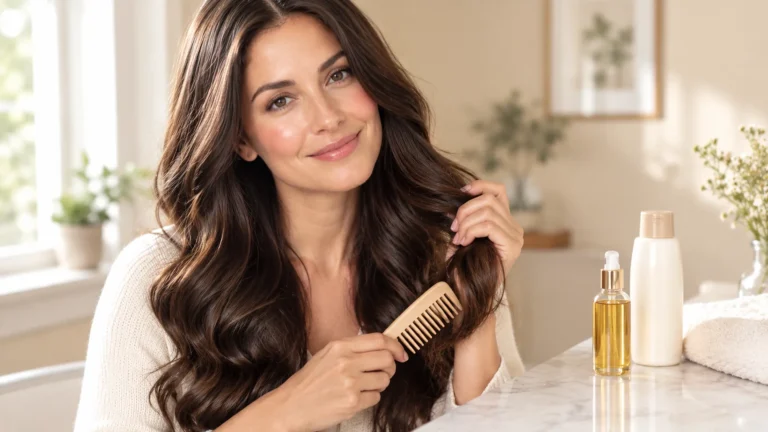
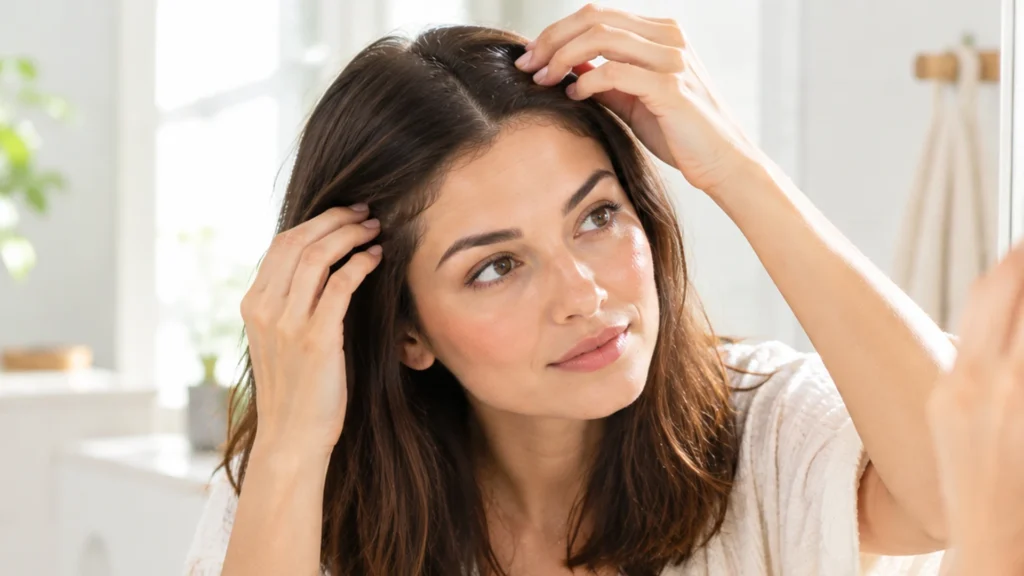
If you are dealing with thinning hair and balding concerns, you are not alone. Hair thinning affects millions of women and men, and it can feel stressful when your parting widens or your ponytail feels smaller. The good news is that early care can slow things down, and the right hair thickening treatment can make hair look fuller. In this guide you will learn the difference between thinning and balding, the common causes, a gentle daily routine and when to see a doctor.
Thinning Hair Balding: What Is the Difference?
Thinning hair means each strand becomes finer, or fewer new hairs grow, so the scalp becomes easier to see. Balding means hair stops growing in certain areas, often in a pattern such as a receding hairline or a bald spot at the crown. In many people, thinning hair is the first stage, and balding develops slowly over the years if the cause is not addressed.
- In women: Hair thinning usually shows as a wider parting and less volume on top of the head.
- In men: It often starts at the temples or the crown and may progress to balding.
Early Signs of Hair Thinning
- Your ponytail feels thinner than before.
- Your parting looks wider or the scalp shows more under bright light.
- You notice more hair on your pillow, brush or shower drain.
- The hairline slowly moves back at the temples.
- Hair feels finer, softer and loses its volume.
Losing 50 to 100 hairs a day is normal. If the amount clearly increases, or you see patches, it is worth checking the cause.
Common Causes of Thinning Hair Balding
- Genetics: Family history is the most common reason for slow, long-term thinning hair balding.
- Hormonal changes: Pregnancy, menopause and thyroid problems can all affect hair growth.
- Stress: Major stress can push more hairs into the resting phase, so heavy shedding appears a few months later.
- Poor nutrition: Low protein, iron or vitamin levels can weaken hair.
- Harsh styling: Tight ponytails, heat tools and bleach cause breakage that looks like thinning.
- Scalp problems: Dandruff or an inflamed scalp can get in the way of healthy growth.

A Gentle Hair Care Routine for Thinning Hair
A simple hair care routine protects the hair you already have and keeps the scalp healthy.
- Wash gently: Use a mild, sulfate-free shampoo and focus on the scalp, not the lengths.
- Condition the ends only: Heavy conditioner on the roots can make fine hair look flat.
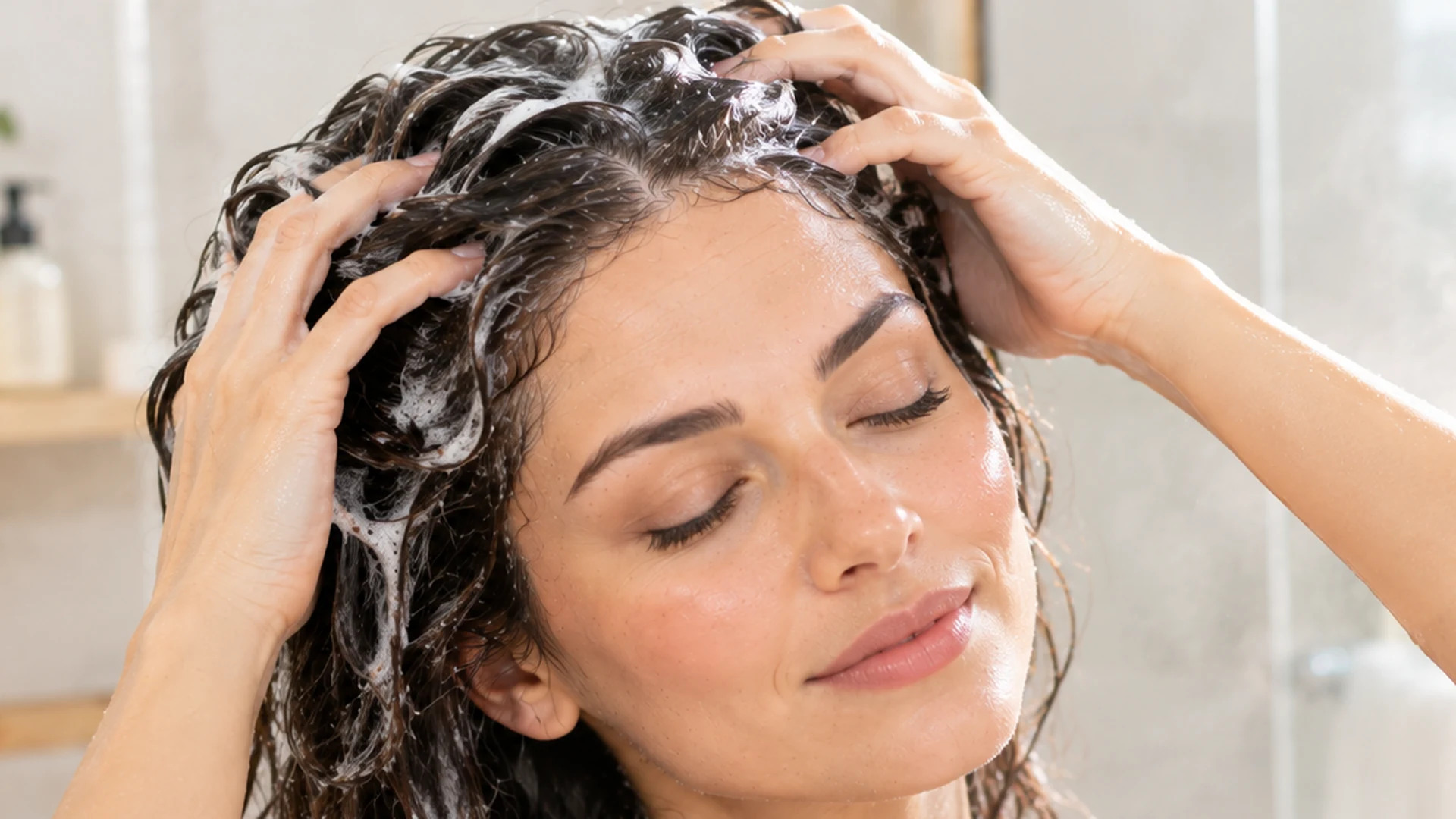
- Massage your scalp: Two to three minutes with your fingertips helps products spread evenly and feels relaxing.
- Pat dry: Wet hair is fragile, so avoid rough towel rubbing.
- Limit heat: Use a heat protectant and keep tools at a medium setting.
- Loosen hairstyles: Choose soft scrunchies over tight elastic bands.
Hair Thickening Treatment Options
There is no single magic hair thickening treatment, but several options can help hair look and feel fuller.
1. Thickening shampoo and conditioner
These products coat the strand so each hair looks wider and feels fuller. They are an easy starting point and give instant visual results.
2. Scalp serums and treatments
Lightweight scalp serums with ingredients such as caffeine, niacinamide or peptides are popular for supporting a healthy scalp. Apply them to a clean scalp and be patient, since visible changes take at least three months of regular use.
3. Volumizing sprays and root powders
Root lift sprays and fibre powders add body and hide a wide parting or thinning spots in minutes, which is helpful on busy mornings and special events.
4. Haircuts that add fullness
Blunt cuts, soft layers and a shorter length can make fine hair look denser. Ask your stylist for a shape that adds movement at the crown.
5. Medical treatments for balding
When thinning hair is turning into balding, a doctor may suggest approved topical or oral treatments, supplements for a confirmed deficiency, or in-clinic procedures. These should only be started under professional advice, because the right option depends on the cause and on your health.
Food and Lifestyle Habits That Support Hair
- Eat enough protein such as eggs, lentils, fish, yogurt and nuts.
- Include iron-rich foods like spinach, dates and lean meat.
- Drink enough water through the day.
- Sleep seven to eight hours and find a stress outlet such as walking or stretching.
- Avoid crash diets, which often lead to extra shedding.

When to See a Doctor About Thinning Hair Balding
Book an appointment if you see bald patches, sudden heavy shedding, a painful or itchy scalp, or if thinning keeps getting worse after a few months. A doctor can check for thyroid issues, low iron and other causes that products alone cannot fix, and can tell you whether your hair thinning is likely to progress to balding.
Frequently Asked Questions
Thinning hair balding: how are thinning and balding different?
Thinning hair means strands get finer or fewer hairs grow, so the scalp shows more. Balding means hair stops growing in certain areas, often in a pattern. Thinning can be an early stage of balding.
What causes hair thinning?
Mostly genetics, hormones, stress, poor nutrition, harsh styling and scalp problems. Sudden or heavy shedding should be checked by a doctor.
Can thinning hair be reversed?
It depends on the cause. Thinning from stress, diet or illness often improves once the cause is treated. Genetic thinning and balding usually need long-term care, and a doctor can suggest suitable treatments.
Does a hair thickening treatment really work?
Thickening shampoos, scalp serums and volumizing products can make hair look fuller and reduce breakage. They improve appearance but cannot change your genetics.
When should I see a doctor about thinning hair balding?
If hair falls out in patches, shedding suddenly increases, your scalp is painful or itchy, or thinning keeps getting worse for more than a few months.
Final Thoughts
Thinning hair balding can feel upsetting, but you have options. A gentle hair care routine, a smart hair thickening treatment, healthy food and early advice from a doctor can help your hair look thicker and stay stronger. Start with one or two changes and give them a few months before judging the results.
This article is for general information and does not replace medical advice.
Related reading on ArtFashionly