

Rough patches, visible pores and dullness can make even clear facial skin look tired. The good news is that skin texture can improve with a few steady habits. This guide explains what affects texture, which skin treatments are worth trying, and how to build a simple skin rejuvenation routine at home, step by step.
Quick answer: To smooth skin texture, cleanse gently, exfoliate with a mild acid once or twice a week, moisturize every day and wear sunscreen every morning. Add one new product at a time and give each routine four to eight weeks before judging it.
What Affects Skin Texture?
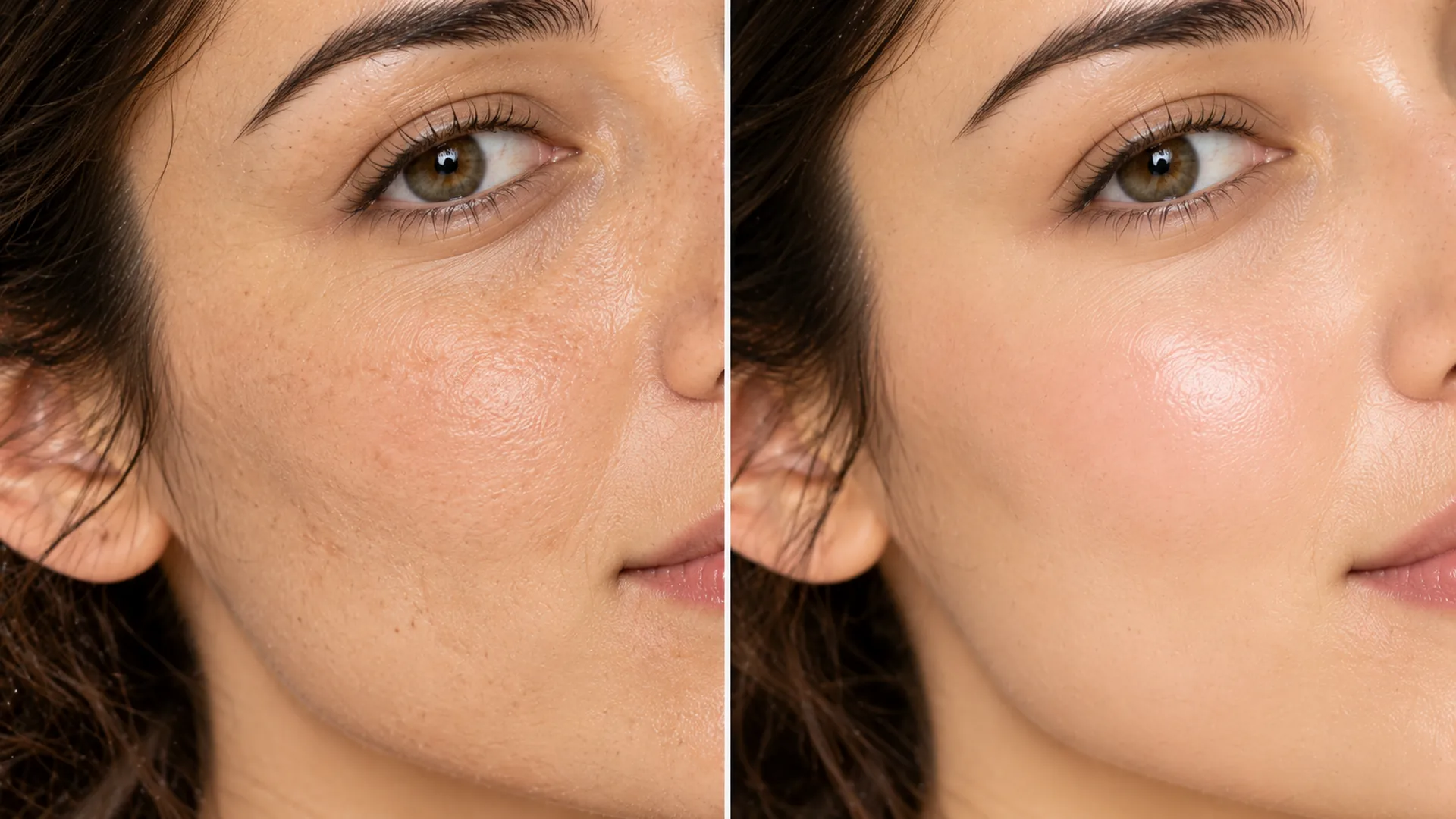
Skin texture is simply how your skin feels and looks up close: smooth, bumpy, dry, flaky or uneven. Most texture concerns come from a mix of the causes below, so it helps to know which ones apply to you.
- Dead cell buildup: Skin naturally sheds old cells. When they do not shed evenly, skin feels dry, rough and looks dull.
- Dehydration: A lack of water in the skin makes fine lines, flaking and tightness more obvious.
- Sun damage: UV exposure is one of the biggest reasons skin loses smoothness over the years. Daily sunscreen is the most important habit for long-term texture.
- Clogged pores: Oil, sweat, makeup and leftover sunscreen can create small bumps and blackheads.
- Over-scrubbing: Harsh scrubs and too many active products damage the skin barrier and make texture worse, not better.
- Age and genetics: Skin renews more slowly as we get older, and pore size is largely inherited. You cannot permanently shrink pores, but you can make them look less noticeable.
- Weather and hot water: Cold wind, dry indoor air and very hot showers pull moisture out of the skin.
Knowing the cause matters because the fix is different. Dry, flaky skin needs hydration. Bumpy, congested skin needs gentle exfoliation. Uneven, dull skin needs sun protection and patience.
Types of Texture Concerns
Not all rough skin is the same. Spotting your main concern helps you choose the right step.
- Dry, flaky patches: Skin feels tight and may peel. Focus on hydration and a gentle cleanser before anything else.
- Small bumps and blackheads: Often caused by clogged pores. A salicylic acid product used once or twice a week can help, along with thorough evening cleansing.
- Visible pores: Common on the nose and cheeks of oily skin. Niacinamide, sunscreen and regular cleansing make them look smaller.
- Fine lines and dullness: Usually linked to sun exposure, dryness and slower renewal. Sunscreen, vitamin C, retinol and hydration work together here.
- Uneven marks and scars: Dark marks fade slowly with sunscreen and brightening ingredients. Deep, indented scars usually need professional treatment, because creams cannot fill them in.
Daily Skin Rejuvenation Routine
A good routine is short and consistent. You do not need ten products. Four or five steps, done every day, will do more than an expensive shelf used once in a while. If you want a simple base for everyday care, our Clean Beauty Guide explains how to choose products without wasting money.
Morning
- Cleanse with a gentle, non-stripping face wash and lukewarm water. Pat dry, do not rub.
- Apply a vitamin C or antioxidant serum if your skin tolerates it.
- Moisturize with a lightweight formula.
- Finish with broad-spectrum sunscreen, SPF 30 or higher. Use a generous amount, roughly two finger lengths for the face and neck, and reapply every two hours if you are outdoors. This step matters most.
Evening
- Remove sunscreen and makeup with a cleansing balm or micellar water.
- Wash with your gentle cleanser for about a minute.
- Use a treatment such as a mild exfoliating acid or retinol on selected nights only.
- Seal everything in with an ultra hydrating moisturizer.
Why order matters
Apply products from thinnest to thickest: cleanser, serum, moisturizer and then sunscreen in the morning. Wait a minute between active ingredients so each one can settle. If you wear makeup or a lot of sunscreen, cleanse twice in the evening, first with a balm or oil to melt it away and then with your gentle face wash.
Do not forget your neck
The neck and chest show texture changes too, yet most people forget them. Extend your cleanser, moisturizer and sunscreen down to the neck every day.

Skin Treatments That Help Smooth Texture
These are the ingredients and treatments most often used for smoother skin. Introduce them slowly, and always patch test a new product first.
How to patch test
Apply a small amount of the product behind your ear or on your inner arm for two nights in a row. If you see redness, itching or swelling, do not use it on your face.
Gentle chemical exfoliants
Acids dissolve dead cells without scrubbing. Alpha hydroxy acids such as lactic acid and mandelic acid work on the surface and suit dry or dull skin. Salicylic acid goes into the pores, so it suits oily or bumpy skin. Start once a week and increase slowly. Acids can make skin more sensitive to the sun, so sunscreen is a must the next morning.
Retinoids
Retinol is widely used to support smoother, more even skin over time. Begin with a low strength and a pea-sized amount for the whole face, two nights a week. Expect some dryness at first. Always use sunscreen, and avoid retinol during pregnancy unless your doctor says otherwise.
Niacinamide
This ingredient supports the skin barrier and can make pores look less noticeable. It also helps with uneven tone and suits most skin types. Many serums use between two and five percent.
Vitamin C
A morning vitamin C serum gives your skin extra antioxidant protection and can brighten dull skin. Choose a stable formula in a dark or airtight bottle, and start every other day if your skin feels tingly.
Hyaluronic acid and hydrating masks
A hyaluronic acid serum pulls water into the skin. Apply it to damp skin and seal it in with moisturizer. A weekly hydrating or soothing mask gives an extra boost of moisture, especially in dry weather.
Professional treatments
Facials, chemical peels and light-based treatments by a qualified, licensed professional can help with stubborn texture or marks. Discuss your goals and skin type first. Avoid aggressive at-home tools, because it is easy to damage the skin by overdoing it.
What not to combine
Using too many actives together is the quickest way to irritate your skin. Avoid layering exfoliating acids with retinol on the same night, and do not use more than one strong exfoliant in a single routine. Most people can use vitamin C and niacinamide together, but if your skin feels irritated, separate them into morning and evening. When in doubt, use fewer products.
A Simple Four-Week Plan
The safest way to improve skin texture is to add one thing at a time. Here is an easy plan for beginners:
- Week 1: Gentle cleanser, moisturizer and sunscreen only. Let your skin settle.
- Week 2: Add niacinamide or vitamin C in the morning.
- Week 3: Add a mild exfoliating acid one evening a week.
- Week 4: If your skin feels comfortable, try retinol on a different evening, two nights a week. Never use acids and retinol on the same night when you are starting out.
Signs your routine is working
Your skin feels softer, makeup sits more smoothly, flaking reduces and your face looks fresher in the morning.
Signs to slow down
Stinging, burning, ongoing redness or peeling mean you are doing too much. Pause every active product and use only cleanser, moisturizer and sunscreen for a week, then restart more slowly.
Choosing an Ultra Hydrating Moisturizer
Look for humectants such as hyaluronic acid and glycerin, which attract water. Add barrier-supporting ingredients like ceramides and squalane, and a light occlusive such as shea butter, which holds that moisture in. Match the texture to your skin type:
- Dry skin: Rich cream with ceramides.
- Oily skin: Oil-free gel moisturizer.
- Combination skin: Lightweight lotion, with a little extra on dry areas.
- Sensitive skin: Fragrance-free formula with few ingredients.
Apply to slightly damp skin to lock in extra moisture, and do not forget your neck.
Makeup on Textured Skin
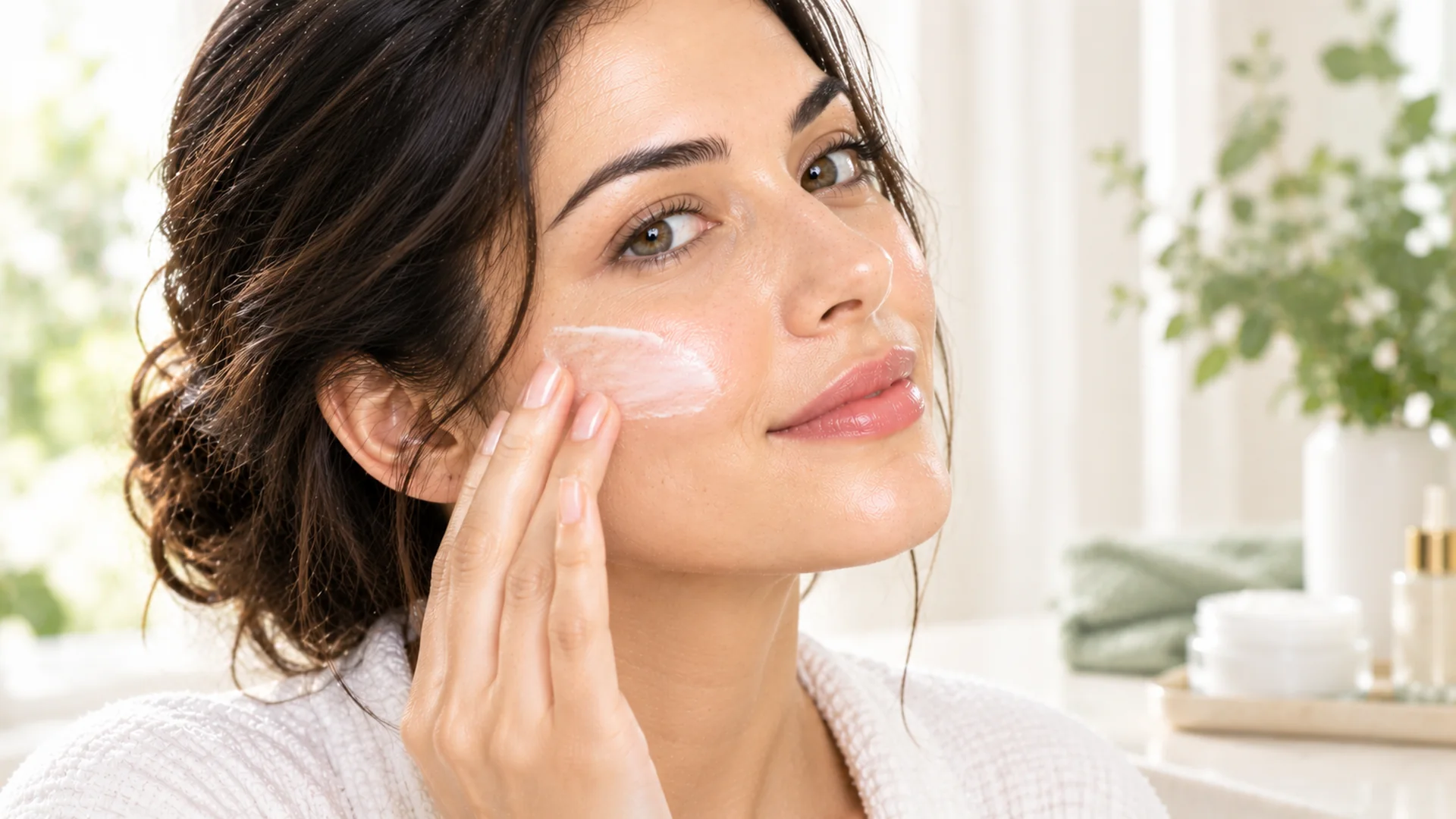
You do not have to skip makeup while your skin improves. Start with a hydrated base, because dry skin makes foundation cling to rough patches. Use a thin layer of liquid or cream product, apply it with a damp sponge, and avoid heavy powder, which settles into texture. Set only the areas that get oily. For a fresh, simple finish, try our natural makeup look, and always remove makeup fully at night.
Habits That Protect Your Skin
- Drink water regularly and eat fruits and vegetables. This supports your overall wellbeing, while a moisturizer does the work on the skin surface.
- Get regular sleep, because skin looks duller when you are tired.
- Change pillowcases weekly and wash makeup brushes often.
- Never sleep with makeup on.
- Take shorter, lukewarm showers instead of long, hot ones.
- Do not pick at spots, which can leave marks.
- Use a humidifier if the air in your home is very dry.
- Introduce only one new product at a time.
Seasonal changes
In winter, switch to a richer moisturizer and use acids less often, because cold air dries the skin. In summer, choose lighter gel textures, cleanse after sweating and reapply sunscreen more often. Your routine should change with the weather.
Common Mistakes to Avoid
- Exfoliating every day: More is not better. Over-exfoliated skin looks shiny, red and tight.
- Skipping sunscreen: Without it, UV exposure can undo your progress.
- Using coarse scrubs: Rough particles can create tiny tears in the skin.
- Changing products too fast: You will not know what is helping or irritating you.
- Expecting overnight results: Skin renews itself over roughly a month, and more slowly with age. Real change takes weeks.
When to See a Professional
Home care works well for everyday roughness, dullness and dryness. But some things are better checked in person. Talk to a dermatologist if you have persistent breakouts, painful or inflamed bumps, itchy patches, deep scars or a sudden change in your skin. Also ask for advice before using strong actives if you are pregnant or have a known skin condition. As a beauty blog we can share general routines, but a professional can look at your skin and give advice that fits you.
Frequently Asked Questions
What causes rough skin texture?
Mostly dead skin cell buildup, dehydration, sun damage, clogged pores and an inconsistent routine.
How long does it take to improve skin texture?
Most people notice smoother skin within four to eight weeks of a steady routine. Deeper concerns can take longer.
How often should I exfoliate?
Chemical exfoliation one to three times a week suits most skin. Sensitive skin should start with once a week or less.
Is an ultra hydrating moisturizer good for oily skin?
Yes. Oily skin still needs hydration, so choose a lightweight, oil-free gel formula.
Can I shrink my pores?
Pore size is mostly genetic, so pores cannot be permanently shrunk. Keeping them clean, using niacinamide or salicylic acid and wearing sunscreen can make them look less noticeable.
Can I use retinol and exfoliating acids together?
It is best to use them on different nights, especially when you are starting out. Using both on the same night can easily cause dryness and irritation.
Does drinking water improve skin texture?
Staying hydrated supports your overall health, but it does not replace a moisturizer. Topical hydration, sunscreen and gentle exfoliation make the biggest visible difference to skin texture.
Final Thoughts
Better skin texture is built through gentle cleansing, regular hydration, sun protection and a few targeted skin treatments. Stay patient, avoid harsh scrubbing and enjoy the gradual glow of healthier facial skin.
ArtFashionly is a beauty blog, and this article is for general information only. We are not doctors and this is not medical advice. If you have persistent acne, eczema or any skin condition, please talk to a dermatologist before starting new treatments.