You pull the brush out of your hair and it is full of strands. The shower drain looks worse than last week. Your ponytail feels thinner, and a quiet question starts to repeat in your head: why is my hair falling out?
First, take a breath. The reasons my hair is falling out are often temporary and fixable, and finding the right one is the first step. In this guide you will learn the most common hair falling out reasons, how to tell normal shedding from real hair loss, what changes for women and men, why hair loss can show up on one side of the head, and which treatments are worth discussing with a doctor.
Quick answer: Hair falls out because of stress, illness, hormonal changes, low iron or thyroid problems, genetics, autoimmune conditions, scalp problems or hairstyles that pull on the roots. Losing 50 to 100 hairs a day is normal. Heavy shedding for more than a few months, bald patches or a receding hairline should be checked by a doctor or dermatologist.
Is It Normal for Hair to Fall Out?
Yes, to a point. Every strand goes through a cycle of growing, resting and shedding, so some hair is always on its way out. Most people lose roughly 50 to 100 hairs a day, and you notice it most when you brush, wash or style your hair.
The difference between normal shedding and hair loss is replacement. In normal shedding, new hairs grow back to fill the gaps. In hair loss, more hairs fall out than grow in, or the new hairs come in thinner and finer, and slowly your hair looks less full.
How Do You Know If You Are Losing Hair?
Hair loss rarely arrives overnight. It usually builds slowly, which is why so many people miss the early signs. If you are wondering how to know if you have hair loss, look for these clues:
- A thinner ponytail: You need to wrap the hair tie one extra time.
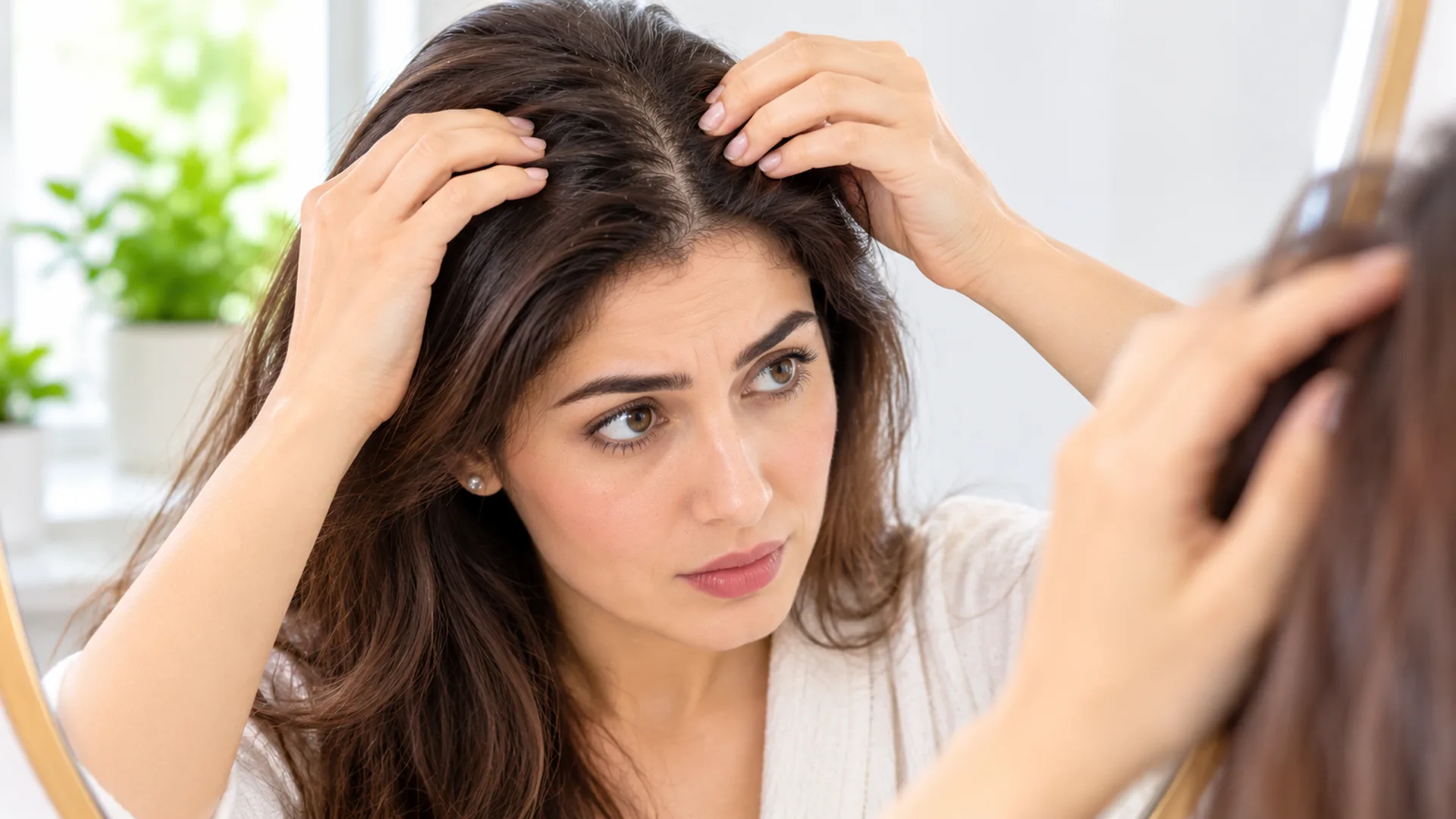
- A wider parting: More scalp shows along the line, especially under bright light.
- More hair than usual on your pillow, in the shower drain or on your brush.
- A receding hairline or deeper corners at the temples.
- Thinning at the crown that you notice in photos or mirror selfies.
- Round bald patches that appear suddenly.
Simple checks you can do at home
- Take monthly photos. Photograph your parting, hairline and crown in the same light and compare. This is more reliable than daily mirror checks.
- Count for a week. Gather the hair from your brush and shower drain for a few days. If the amount clearly rises over time, make a note of it.
- Do a gentle pull test. Hold a small bunch of about 50 to 60 hairs and slide your fingers along it once, softly. A few hairs coming away is normal. Many hairs every time may point to active shedding.
These checks cannot diagnose anything, but they give you clear facts to share with a doctor.
Hair Loss: Why Does It Happen?
When people ask hair loss why, the honest answer is that there is not one cause. Hair follicles are sensitive. Hormones, nutrition, stress, illness, genetics, the immune system and even the way you style your hair all affect them. That is why two people with the same symptom may need completely different solutions.
The good news is that many causes are treatable, and many cases of shedding are temporary. Let us look at women first, then men.
Hair Loss Causes in Women: What Is Really Going On?
Hair loss in women usually looks different from men. Instead of a bald area, women tend to notice an overall thinning and a wider parting. If you are asking what causes hair loss in women, these are the most common reasons.
1. Cause of hair shedding in women: telogen effluvium
This is one of the most common reasons for sudden shedding. Hair moves into the resting phase too early, then falls out in larger amounts, often two to three months after a trigger such as childbirth, surgery, high fever, severe stress, rapid weight loss or a crash diet. It can be alarming, but it is usually temporary, and hair often grows back once the trigger is gone.
2. Female pattern hair loss
Genetics play a big part in the cause of women’s hair loss over time. In female pattern hair loss, hairs slowly become finer and shorter, so the parting widens and the crown looks thinner. It tends to run in families and becomes more common with age.
3. Low iron and other nutrient gaps
Hair follicles need steady fuel. Low iron stores, low vitamin D, low zinc or too little protein can all weaken hair. Women with heavy periods or restricted diets are especially at risk. One medical study found that starting iron treatment earlier was linked with a better hair outcome, which is why a blood test is worth asking for. You can read the published research on iron deficiency and female hair loss if you want the details.

4. Thyroid problems
Both an underactive and an overactive thyroid can cause hair to thin, and the hair may also feel dry or brittle. Other signs include tiredness, weight changes and feeling too cold or too hot. A simple blood test can check this.
5. Hormonal changes
Pregnancy, the months after childbirth, stopping or starting hormonal contraception, polycystic ovary syndrome (PCOS) and menopause can all change hair growth. Many women search what is the reason hair loss in women speeds up in these phases, and hormones are usually part of the answer.
6. Stress and poor sleep
Long-term stress can push hairs into the shedding phase. It rarely causes permanent loss on its own, but it can start a shedding episode that lasts for months.
7. Hairstyles and heat
Tight ponytails, braids, extensions and frequent bleaching or heat styling can break hair or pull on the roots. This is one of the most preventable hair loss causes female readers deal with.
8. Medicines and medical conditions
Some medicines, autoimmune conditions and scalp problems can also cause shedding. Never stop a prescribed medicine on your own. Talk to your doctor about the options first.
So, if you have been searching for the reason of hair fall in female cases like yours, the honest answer is usually a mix of two or three factors. That is why a proper check beats guessing.
Reasons for Hair Loss in Men
The reasons for hair loss men face overlap with women, but one cause stands out.
- Male pattern hair loss: This is the most common reason. It is driven by genetics and hormones, and it usually shows as a receding hairline, thinning at the temples and a growing thin area at the crown.
- Stress and illness: Men can also experience telogen effluvium after a big stress or illness.
- Nutrition and crash diets: Low protein, iron or zinc can weaken hair.
- Thyroid issues and some medicines: These can thin hair evenly across the scalp.
- Alopecia areata and scalp conditions: These cause patchy loss that looks different from pattern thinning.
- Tight headwear and rough styling: Constant friction or tight hats can stress the hairline.
Hair Loss Causes at a Glance
Here is a quick comparison to help you spot what may match your situation.
| Cause | Typical pattern | Often seen in | Can hair regrow? |
|---|---|---|---|
| Telogen effluvium (temporary shedding) | Sudden, even shedding all over the scalp | Women and men after stress, illness, childbirth or crash dieting | Usually yes, once the trigger is treated |
| Pattern hair loss (genetic) | Women: wider parting and thinner crown. Men: receding hairline and thinning crown | Women and men, more common with age | Can be slowed and partly improved with treatment |
| Iron or other nutrient deficiency | General thinning, often with tiredness | Mostly women, especially with heavy periods | Often improves when the deficiency is corrected |
| Thyroid problems | Even thinning, dry and brittle hair | Women and men | Often improves when thyroid levels are treated |
| Alopecia areata (autoimmune) | Round, smooth bald patches, sometimes on one side | Any age | Often regrows, can come and go |
| Traction from tight styles | Thinning at the hairline, temples or parting | Anyone who wears tight styles often | Yes if caught early |
| Scalp infection or skin condition | Patchy loss with scaling, redness or itch | Children and adults | Usually yes with the right treatment |
Use this as a guide only. Many people have more than one cause at the same time.
Hair Loss on One Side of the Head: What Could It Mean?
Seeing thinning or a bald area on only one side can feel strange, but there are clear possible explanations:
- Alopecia areata: An autoimmune condition that causes round, smooth patches. It can appear on one side first.
- Traction: Always parting on one side, wearing a tight hairstyle on one side or sleeping on one side with a pulled hairstyle can strain the follicles in that area.
- Fungal scalp infection (tinea capitis): This causes scaly, itchy patches with broken hairs and needs medical treatment.
- Scarring conditions: Some skin conditions inflame the follicles and can cause permanent loss. Early treatment matters.
- Skin injuries or conditions on the scalp: Burns, rashes or inflammation can also cause local hair loss.
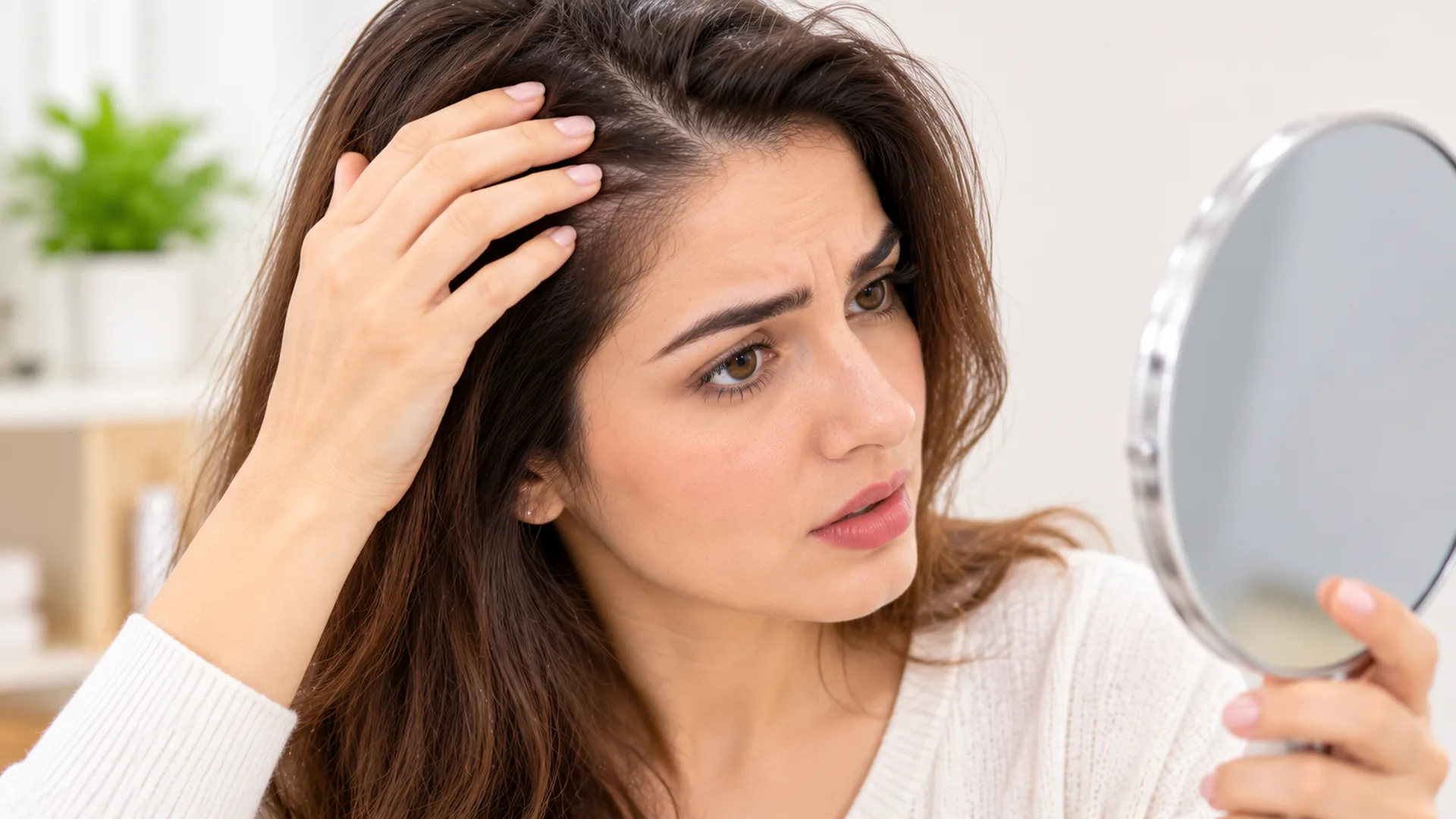
Do not wait if the patch is growing, red, scaly, painful, itchy or has pus. These signs need a professional look.
Male Hair Loss Treatments: What Do Doctors Discuss?
If you are exploring male hair loss treatments, it helps to know the main options before you spend money on products that promise too much.
- Minoxidil: A topical product available in many countries. It can help slow loss and support regrowth in some people. It must be used continuously, and results take months.
- Finasteride: A prescription tablet that works on the hormone involved in male pattern hair loss. It has possible side effects, so it should be taken only after speaking with a doctor.
- Hair transplant surgery: Moves hair from denser areas to thinner ones. It is a medical procedure and results depend on donor hair and the surgeon.
- Low-level light devices: Some people use them as an addition, although results vary.
- Styling and cuts: A shorter, textured cut or a thickening product can make thin hair look fuller while you treat the cause.

Treatments work best when started early, and no product works for everyone. Check the cause first, then choose a plan with a professional. You can also read our guide to thinning hair and balding for more on daily care.
Hair Growth for Alopecia: Can Hair Come Back?
The answer depends on the type of alopecia.
- Alopecia areata: Hair often regrows, sometimes without treatment, but it can fall out again. A dermatologist may suggest steroid treatments, minoxidil or, for severe cases, newer prescription medicines.
- Pattern hair loss: Treatment usually aims to keep and thicken the hair you have, so it needs steady use over many months.
- Telogen effluvium: Hair typically returns after the trigger is removed, though it may take several months to look full again.
- Scarring alopecia: Lost follicles may not return, so early diagnosis matters to protect what remains.
Be patient with hair growth for alopecia and any other type. Hair grows slowly, so you will need to wait around three to six months before you judge a treatment fairly.
Daily Habits That Protect Your Hair
- Eat enough protein and iron-rich foods such as eggs, fish, lentils, spinach and nuts.
- Be gentle when the hair is wet. Detangle from the ends upward with a wide-tooth comb.
- Loosen your styles. Choose soft hair ties and change your parting from time to time.
- Limit heat and harsh chemicals. Use a heat protectant and space out colouring or bleaching.
- Keep your scalp clean and comfortable. Dandruff and irritation should be treated, not ignored.
- Manage stress and sleep. Walking, stretching and a steady sleep routine support the whole body, including your hair.

When to See a Doctor About Hair Falling Out
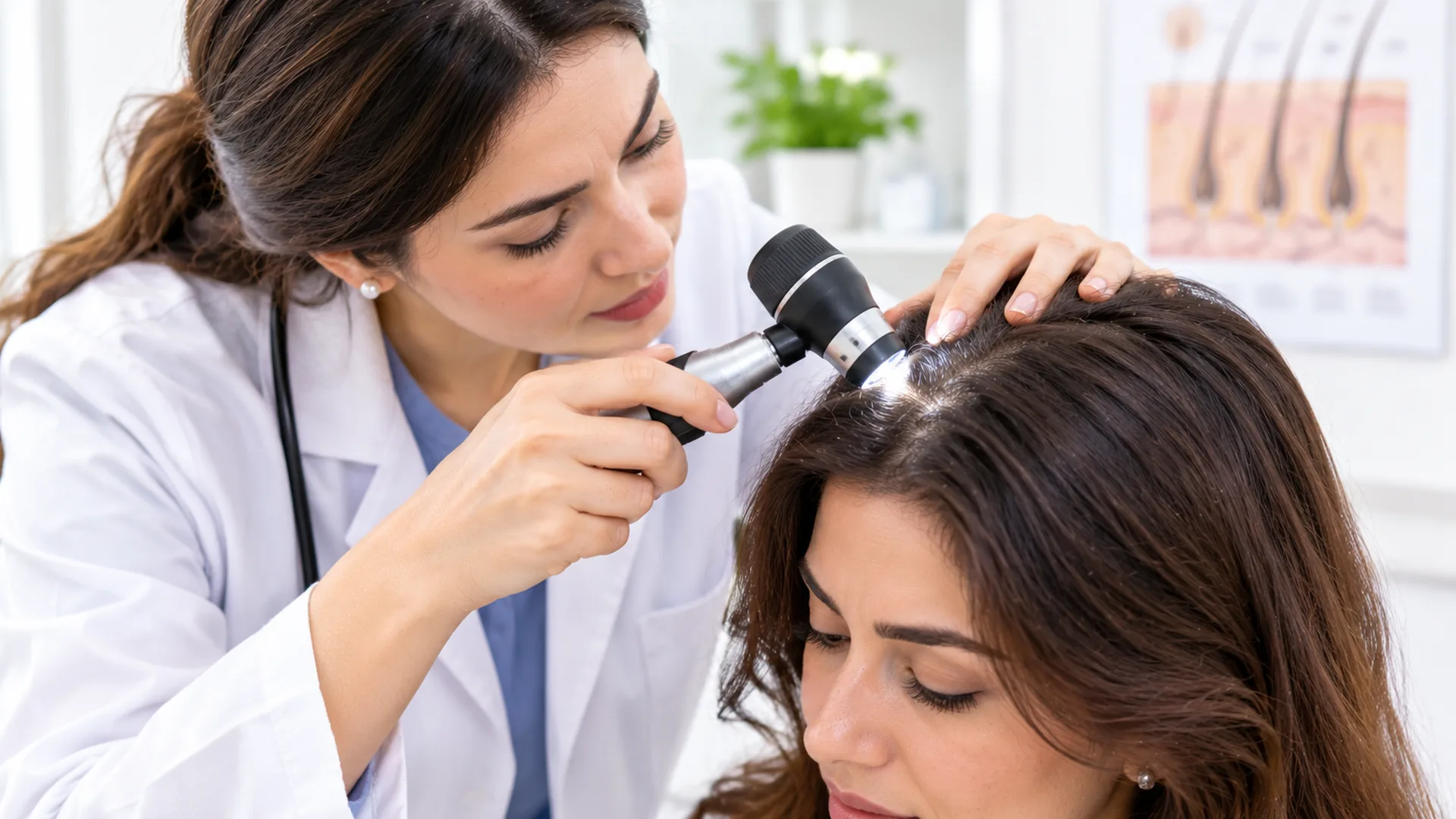
Book an appointment if you notice any of these:
- Heavy shedding that lasts longer than three months
- Bald patches, especially if they spread
- A red, scaly, itchy or painful scalp
- Hair loss together with tiredness, weight changes, irregular periods or other new symptoms
- Rapid thinning at a young age
A doctor may ask about your diet, periods, medicines and stress, examine your scalp and order simple tests such as iron stores (ferritin), thyroid levels and vitamin D. Finding the cause makes every treatment work better.
For more on keeping your hair and skin healthy, see our guide to improving skin texture.
Frequently Asked Questions About Hair Falling Out
Why is my hair falling out all of a sudden?
Sudden heavy shedding is often telogen effluvium, a temporary reaction to stress, illness, surgery, childbirth, rapid weight loss or a crash diet. It usually shows up about two to three months after the trigger, and hair often grows back once the cause is treated. If shedding continues for more than a few months, see a doctor.
What is the reason of hair fall in females?
The most common reasons are temporary shedding (telogen effluvium), genetic female pattern hair loss, low iron or other nutrient gaps, thyroid problems, hormonal changes such as pregnancy, PCOS or menopause, and tight hairstyles. A doctor can tell which one applies to you.
What causes hair loss in women?
Common causes include stress, hormonal changes, iron deficiency, thyroid disorders, genetics, autoimmune conditions such as alopecia areata, scalp conditions, some medicines and hairstyles that pull on the roots.
What is the reason hair loss in women is often missed?
Women usually lose hair diffusely, meaning it thins all over, instead of forming a clear bald area. This makes it easy to confuse with normal shedding, so many women notice it only when the parting widens or the ponytail feels thinner.
How do you know if you are losing hair?
Look for a thinner ponytail, a wider parting, more hair on your pillow or in the shower drain than usual, a receding hairline or visible scalp. Comparing photos taken in the same light every month can show change more clearly than daily checks.
Is hair loss on one side of the head serious?
It is not always serious, but it deserves a check. Possible reasons include alopecia areata, tight hairstyles, fungal scalp infection and scarring conditions. Patches that grow, itch, burn or look red or scaly should be seen by a dermatologist.
What are the best male hair loss treatments?
Doctors commonly discuss minoxidil, prescription finasteride and, for some people, hair transplant surgery. The right choice depends on the cause and your health, so speak with a doctor before starting any treatment.
Does hair growth for alopecia depend on the type?
Yes. Alopecia areata can regrow on its own or with treatment, while pattern hair loss usually needs ongoing treatment to keep what you have. A dermatologist can confirm the type and suggest a plan.
Final Thoughts
Hair falling out can feel scary, but it is rarely the end of the story. Most hair falling out reasons have a name, a test and a plan. Start by noticing your pattern, check the basics such as iron, thyroid and stress, protect your hair from damage and talk to a professional if the shedding does not settle. Give any change at least three months before you judge it, and be kind to yourself along the way.
This article is for general information and does not replace medical advice. If you are worried about hair loss, please speak with a doctor or dermatologist.