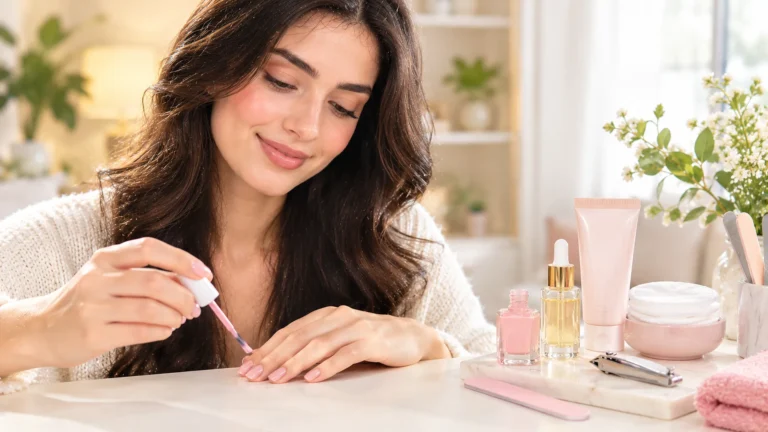
How to get healthy nails is one of the most searched beauty questions right now, and the answer is simpler than most people think. The trend everyone is talking about, nailmaxxing, is all about short, glossy, natural-looking nails that simply look healthy. This guide shows you how to take care of your nails, how to have healthy nails from the inside out, and what can help maintain healthy nails for the long run.
Quick Jump: Find What You Need
- Basics: What Is Nailmaxxing | What Healthy Nails Look Like | The 3 Rules
- Care habits: 9 Nail Care Habits | Food and Lifestyle | Long-Term Routine
- Extras: Viral Hacks | Nail Problems | When to See a Doctor | Routine for Tonight | FAQ
The 3 Rules That Work for Every Nail Type
- Moisture first. Hand cream and cuticle oil every day do more than any strengthener.
- Be gentle. No peeling, no cutting cuticles, no using nails as tools.
- Be patient. Nails grow slowly, so real results show in two to three months.
What Is Nailmaxxing and Why Is Everyone Talking About It?
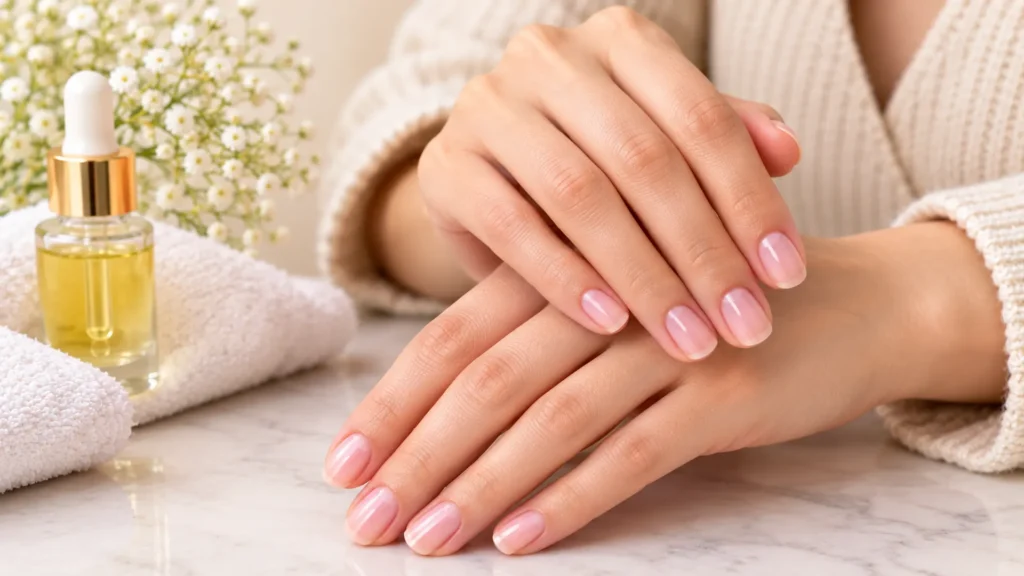
Nailmaxxing is the viral “your nails, but better” movement. Instead of covering nails with thick product, the goal is to make your natural nails stronger, smoother and shinier. Think soft square or short oval shapes, hydrated cuticles, a clean glossy buff or a sheer milky pink, and zero peeling.
A few things are fueling the trend:
- The bare nail and “naked manicure” look is replacing heavy maximalist designs for many people.
- Japanese-style manicures (polish-free buffing and nourishing) are popular because they give a healthy shine without a single drop of color.
- K-nail care inspired routines, with lots of cuticle oil and gentle shaping, are all over social media.
- Skincare thinking has reached nails. People now care about the skin around the nail just as much as the color on top.
The best part? Whether you love bold nail art or a clean bare look, healthy nails make every style look better. Think of strong nails as the base layer for everything else.
First, What Do Healthy Nails Actually Look Like?
Before you fix anything, it helps to know your starting point. Healthy nails are generally:
- Smooth, with a fairly even surface
- Pinkish with a slightly lighter half-moon at the base (not everyone shows this, and that is normal)
- Firm but flexible, not paper-thin or rock hard
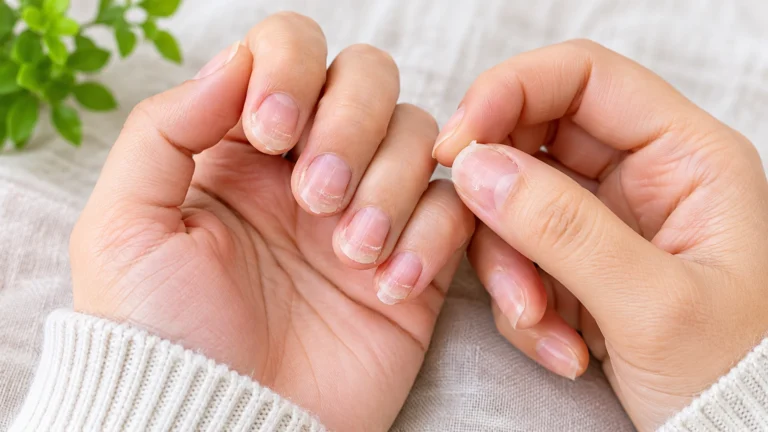
- Free from deep ridges, splitting or peeling layers
- Surrounded by soft, hydrated skin
If your nails are a little dull, dry or brittle, do not panic. Most everyday nail problems come from habits such as too much water, harsh products, picking and rough filing. Those are all fixable.
How to Take Care of Your Nails: 9 Habits That Make the Biggest Difference
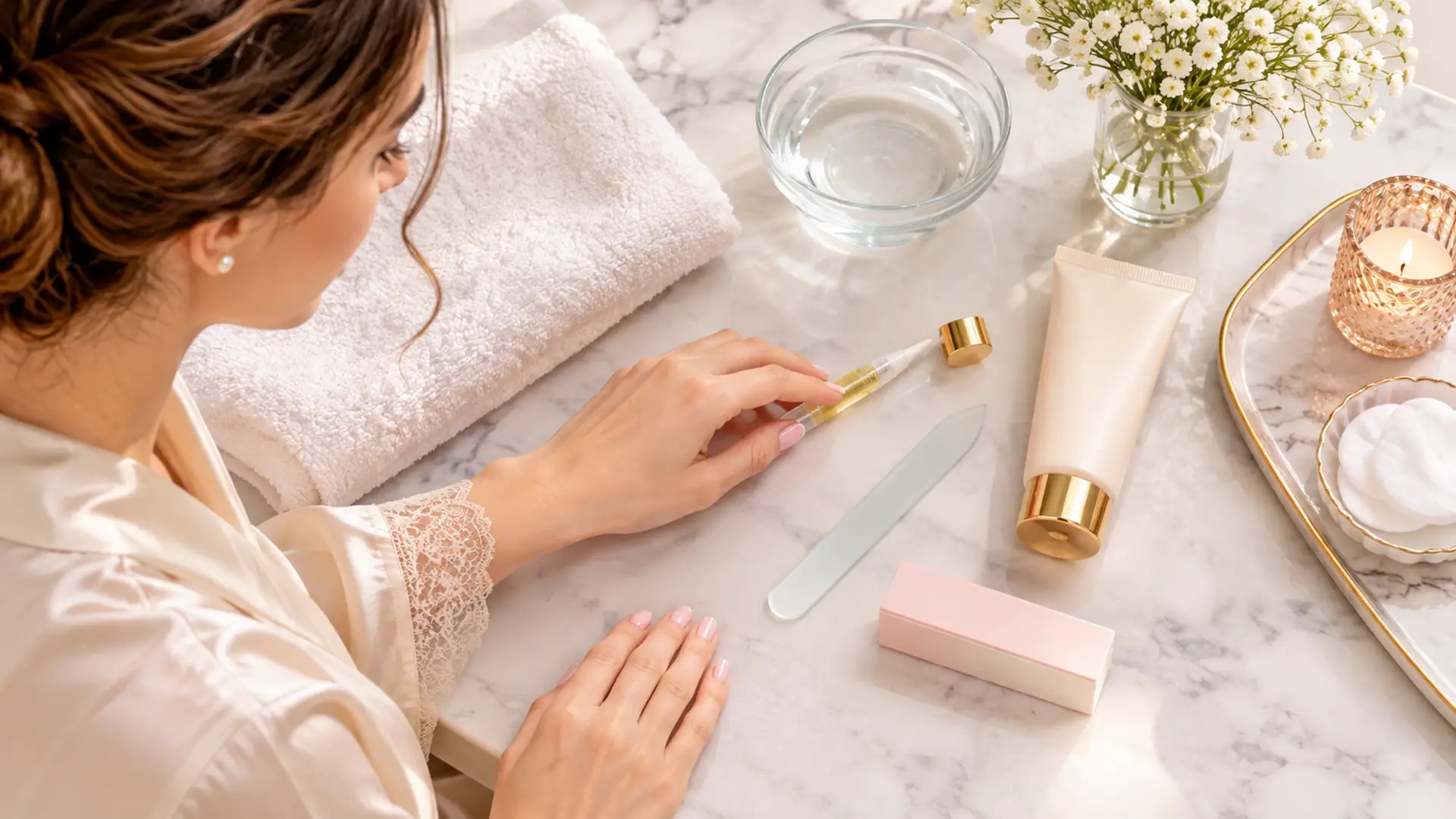
1. Keep Your Nails Clean and Dry
This one sounds boring, but it is the foundation. Wash your hands with a gentle soap, then dry them properly, especially under and around the nails. Constant moisture softens the nail and makes it easier for bacteria and fungus to settle in. If you wash dishes or clean often, wear cotton-lined rubber gloves. Long, repeated soaking is one of the top reasons nails peel.
2. Moisturize Your Hands and Nails Every Day
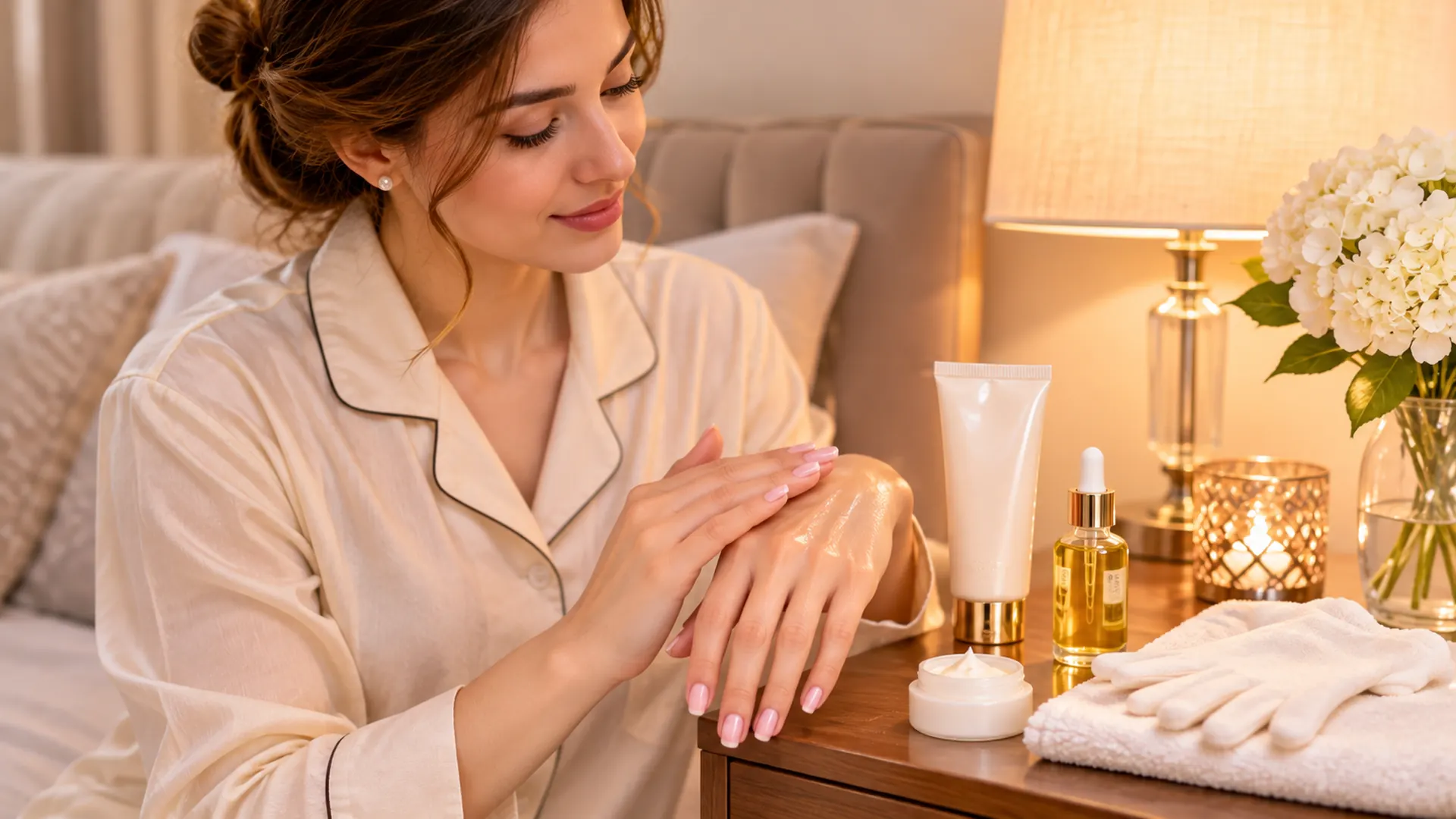
Your nails are made of a protein called keratin and they need moisture just like your skin. Apply a good hand cream after washing your hands and again at night. Massage a little into each nail and cuticle. Look for ingredients like glycerin, shea butter, ceramides or a small percentage of urea, which helps hold water in dry, rough skin.
3. Make Cuticle Oil Your Daily Habit
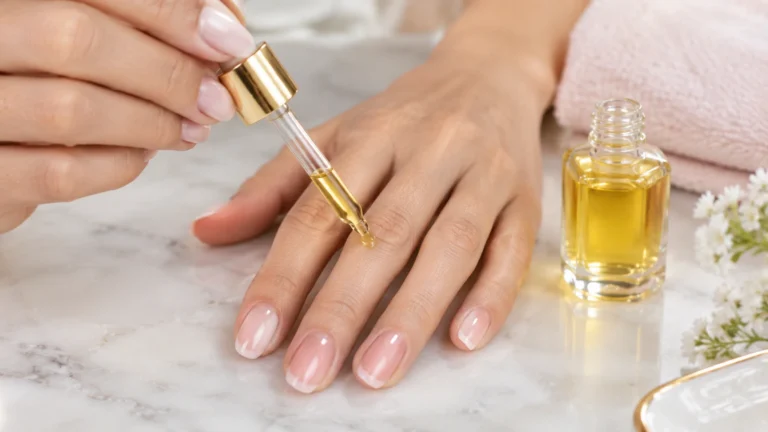
If you only add one product to your routine, make it cuticle oil. It is the hero of the whole nailmaxxing trend. Cuticle oil softens the skin around your nails, reduces hangnails and gives nails a natural shine. Oils such as jojoba, sweet almond and vitamin E blends are popular because they absorb well.
Pro tip: Keep a small bottle or oil pen by your bed and another in your bag. Apply it at night and after washing your hands. Within two to three weeks, most people notice softer skin and fewer snags.
4. Trim and File the Right Way
How you shape your nails matters more than you might think.
- Trim straight across, then gently round the corners. This helps prevent ingrown nails, especially on toes.
- File in one direction instead of sawing back and forth, which can split the layers.
- Use a fine-grit file (240 grit or higher) or a glass file, which is kinder to weak nails.
- Choose a softer shape. A soft square or short oval is less likely to snag and break.
File when your nails are dry. Wet nails are softer and more likely to tear.
5. Be Gentle With Your Cuticles
Here is something many people get wrong: your cuticle is there for a reason. It seals the area between your nail and your skin and helps keep germs out. Instead of cutting it, soften it with oil or a warm cloth and gently push it back with a soft tool. Only trim the tiny bits of loose, dead skin (hangnails) with clean, sharp nippers. Aggressive cuticle cutting can lead to irritation and infection.
6. Stop Using Your Nails as Tools
Opening soda cans, scraping off stickers, peeling tape. We all do it. But every time you use your nails as tools, you risk splitting or lifting the nail plate. Keep a small tool nearby, like a spoon, key or a nail-friendly opener, and your nails will thank you.
7. Give Your Nails a Break From Polish, Gels and Extensions
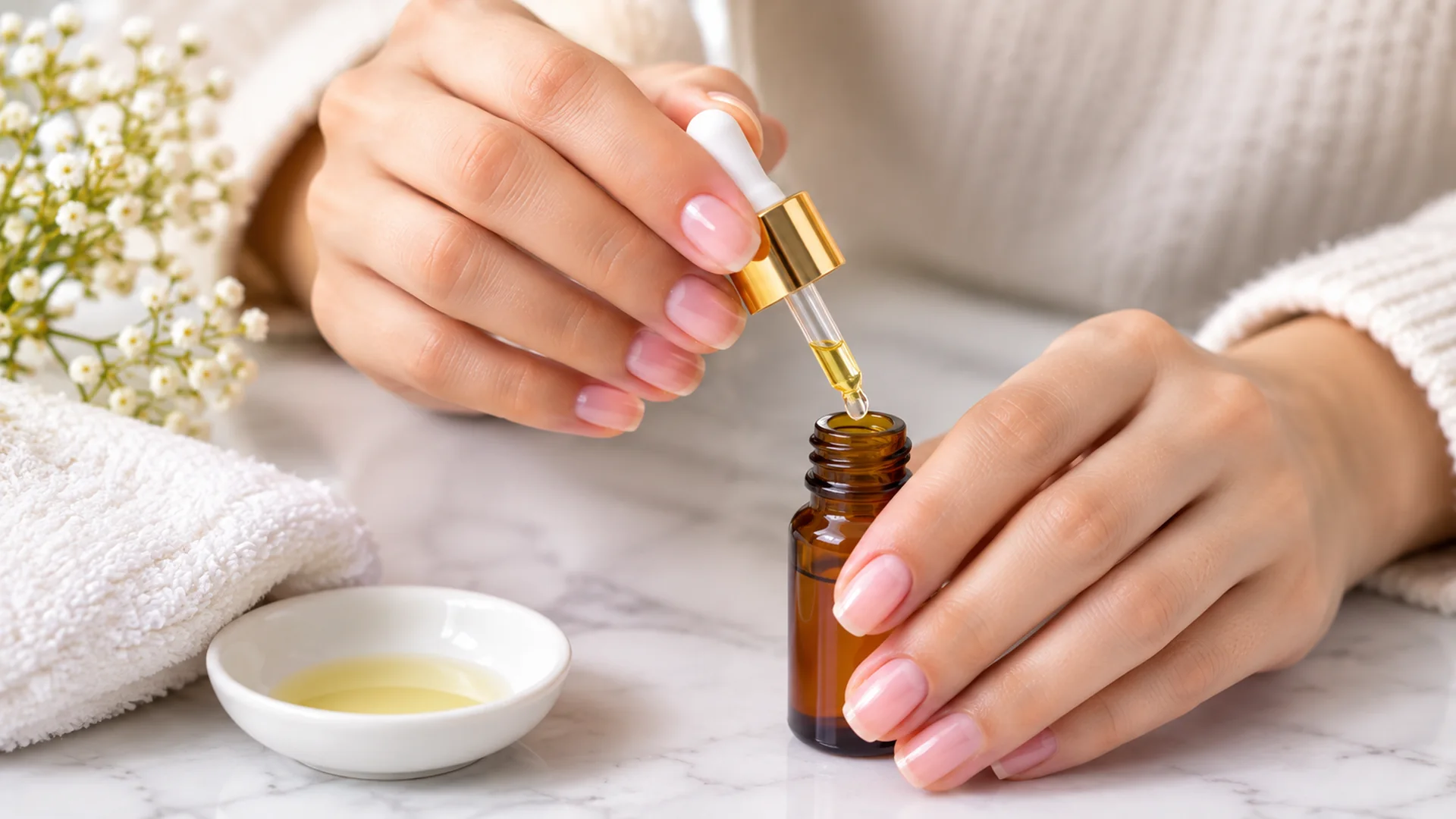
Polish itself is not the enemy. Frequent gel and acrylic wear, and especially the removal process, is what often leaves nails thin and weak. Try to:
- Use a base coat every time you polish, so the color does not stain the nail
- Remove polish gently with an acetone-free remover when possible
- Never peel off gel, press-ons or polish, because that pulls off layers of the nail
- Schedule a polish-free week every month or two to let your nails recover
This is where the “naked manicure” look is actually useful. A clean, buffed, oiled nail is a legitimate style and a great recovery plan at the same time.
8. Protect Your Hands From Harsh Chemicals and Weather
Cold, dry weather and indoor heating can make nails brittle fast, which is something many of us notice as winter gets closer. Wear gloves when you go out in the cold, when you clean and when you handle strong chemicals. Sanitizing hand gels and frequent washing can dry everything out too, so follow up with moisturizer.
9. Do Not Skip Sun Protection on Your Hands
Your hands get a lot of sun while you drive, scroll and walk. Using sunscreen on the backs of your hands protects the skin around your nails and helps prevent early aging and spots. If you get gel manicures cured under UV lamps, ask your nail tech about options, and consider applying sunscreen to your hands beforehand or using UV-protective fingerless gloves.
How to Have Healthy Nails From the Inside: Food and Lifestyle
What you put on your nails matters, but what you put in your body matters too. Nails grow slowly, around 3 millimeters a month on average, so it can take a few months to see real changes.
Foods and nutrients that support nail health:
- Protein: Nails are mostly keratin, so eggs, fish, chicken, beans, lentils and Greek yogurt all help.
- Iron and zinc: Found in lean meat, spinach, pumpkin seeds and chickpeas.
- Healthy fats: Salmon, walnuts, chia seeds and avocado support the whole body, including skin and nails.
- Vitamin C: Berries, oranges and bell peppers support collagen production.
- Biotin-rich foods: Eggs, nuts and sweet potatoes contain biotin naturally.
- Water: Staying hydrated helps your skin and nails stay flexible.
What About Biotin Supplements?
Biotin is one of the most searched nail supplements, and some people with brittle nails report improvement. But the evidence is limited, and it is not a magic fix. Importantly, the U.S. Food and Drug Administration has warned that biotin can interfere with certain lab tests, including some heart and thyroid tests. If you want to take a supplement, talk to your doctor or pharmacist first and tell any lab that you take it.
What Can Help Maintain Healthy Nails Long Term?
Once your nails look better, the goal is to keep them that way. Here is a simple weekly rhythm that works for many people:
- Daily: Hand cream, cuticle oil morning or night, gloves for wet work
- Twice a week: Gentle file and shape, quick check for dryness or damage
- Weekly: Warm water soak for a few minutes, then oil and a light buff for shine
- Every 4 to 6 weeks: A polish or gel break, and trim to remove weak tips
Consistency beats intensity. Five minutes a day does more than one long pamper session a month.
Viral Nail Care Hacks: Which Ones Are Worth Trying?
Social media is full of nail hacks. Here is an honest look at a few popular ones.
- Cuticle oil every night: Worth it. Simple, cheap and effective.
- Slugging your hands: Applying a thick balm or petroleum jelly over hand cream at night and wearing cotton gloves. Worth it for very dry hands.
- Buffing for shine: Worth it in moderation. Buff lightly once in a while, not every week, because too much buffing thins the nail.
- Garlic or home remedies: Many viral DIY tricks lack solid evidence, and some can irritate skin. If a home remedy makes your skin burn or itch, stop.
- Soaking nails in a lot of lemon juice or vinegar: These can dry out nails and skin. Skip it.
A good rule: if a hack promises overnight miracles, be skeptical. Real nail strength is built slowly.
Common Nail Problems and Quick Fixes
| Problem | Likely Cause | What to Try |
|---|---|---|
| Peeling or splitting | Too much water, harsh products, rough filing | Gloves, cuticle oil, glass file, short length |
| Brittle, dry nails | Dry weather, frequent sanitizer use | Daily hand cream, humidifier, oil at night |
| Hangnails | Dry cuticles, picking | Oil often, trim only the loose bit with clean tools |
| Yellow staining | Dark polish without base coat | Base coat, gentle buffing, polish breaks |
| Vertical ridges | Often a normal part of aging | Moisturize, light buff if desired |
| Slow growth | Genetics, diet, age | Protein-rich diet, avoid trauma to the nail |
When Should You See a Doctor?
Healthy habits help a lot, but nails can sometimes signal a health issue. Talk to a doctor or dermatologist if you notice:
- Dark streaks or spots under the nail, especially if they change or appear without an injury
- Nail separating from the nail bed
- Thickened, crumbly or very discolored nails (could be fungal infection)
- Swelling, pus, pain or redness around the nail
- Sudden, dramatic changes in shape or color
Do not try to diagnose these at home. Early checks make treatment easier.
Quick Healthy Nails Routine You Can Start Tonight
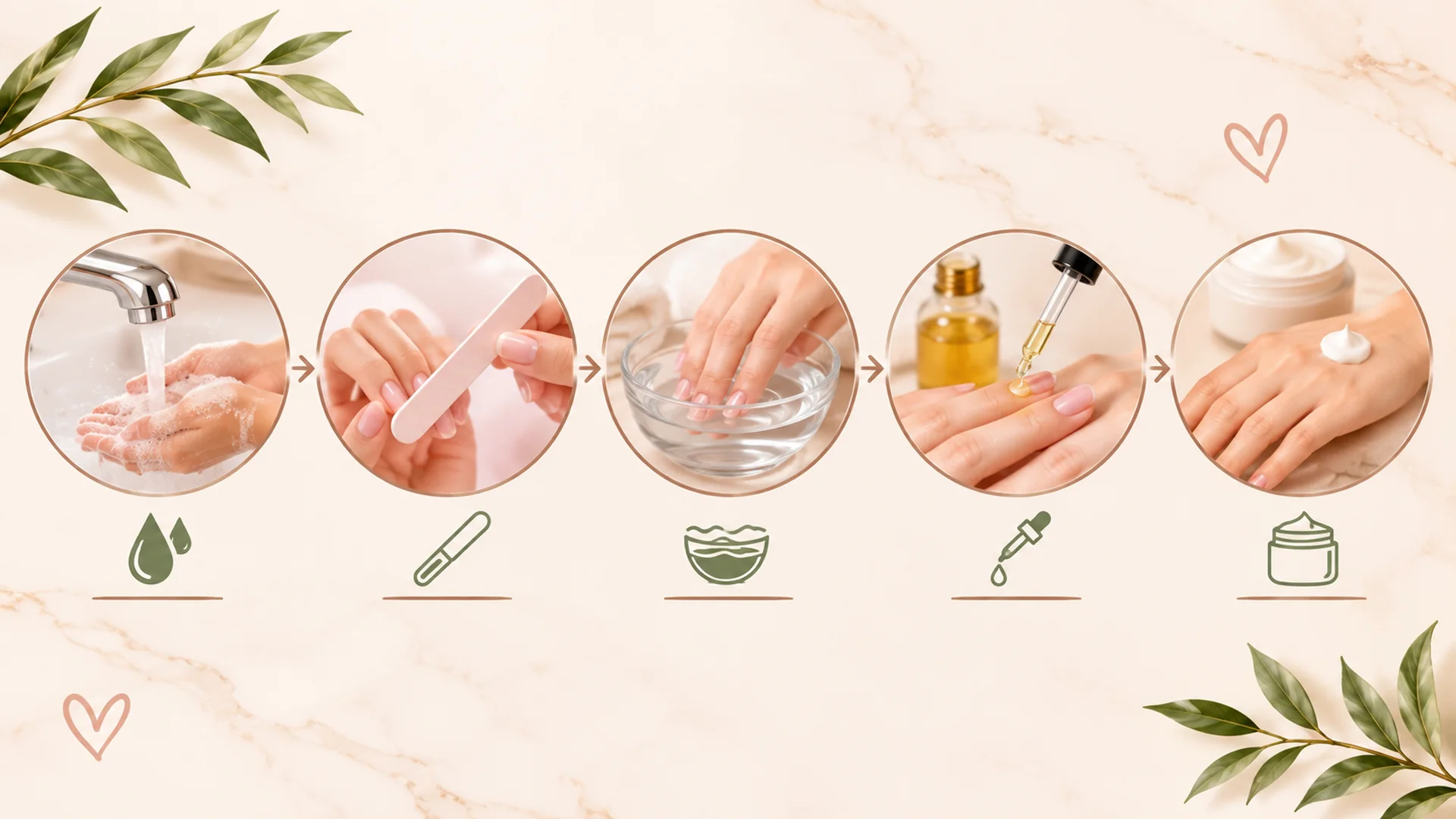
- Wash and fully dry your hands.
- Remove old polish gently, no peeling.
- File with a fine-grit file, one direction.
- Soak hands in warm water for a few minutes.
- Massage cuticle oil into each nail.
- Seal with hand cream.
- Wear cotton gloves if you want an extra boost.
In two to four weeks you should notice softer cuticles and a smoother look. In two to three months, as new nail grows out, you will see the real difference.
Frequently Asked Questions
How long does it take to get healthy nails?
Fingernails grow slowly, so it generally takes about three to six months to replace a whole nail. You may see better hydration and fewer snags within a few weeks, but stronger new growth takes patience.
How can I make my nails strong naturally?
Keep them moisturized, trim and file gently, avoid using them as tools, take regular polish breaks and eat a balanced diet with enough protein. Cuticle oil and gloves for wet work are two of the easiest wins.
Is it okay to wear nail polish every day?
Yes, as long as you use a base coat and remove polish gently. Give your nails a polish-free break now and then, especially if you wear gel or acrylics.
Do nail strengtheners work?
Some can add a temporary protective layer, but overusing hardeners can make nails more brittle. Look for gentle, nourishing formulas and use them as directed.
What vitamin is best for healthy nails?
No single vitamin fixes everything. A balanced diet with protein, iron, zinc and vitamins is best. Supplements like biotin may help some people, but check with your doctor first, especially because biotin can affect some lab test results.
Final Thoughts
Learning how to get healthy nails is not about a complicated routine or expensive treatments. It is about a few small habits: keep nails clean and dry, moisturize, use cuticle oil, shape gently, protect them from damage and feed your body well. The nailmaxxing trend works because it reminds us that healthy, natural nails are already beautiful.
Start with one or two habits this week and build from there. Your nails will tell you when it is working.
Medical note: This article is for general information and is not medical advice. If you have pain, infection, or unusual nail changes, please consult a healthcare professional.
Which nail care habit are you starting first? Tell us in the comments, and check out our other beauty guides on Artfashionly.