
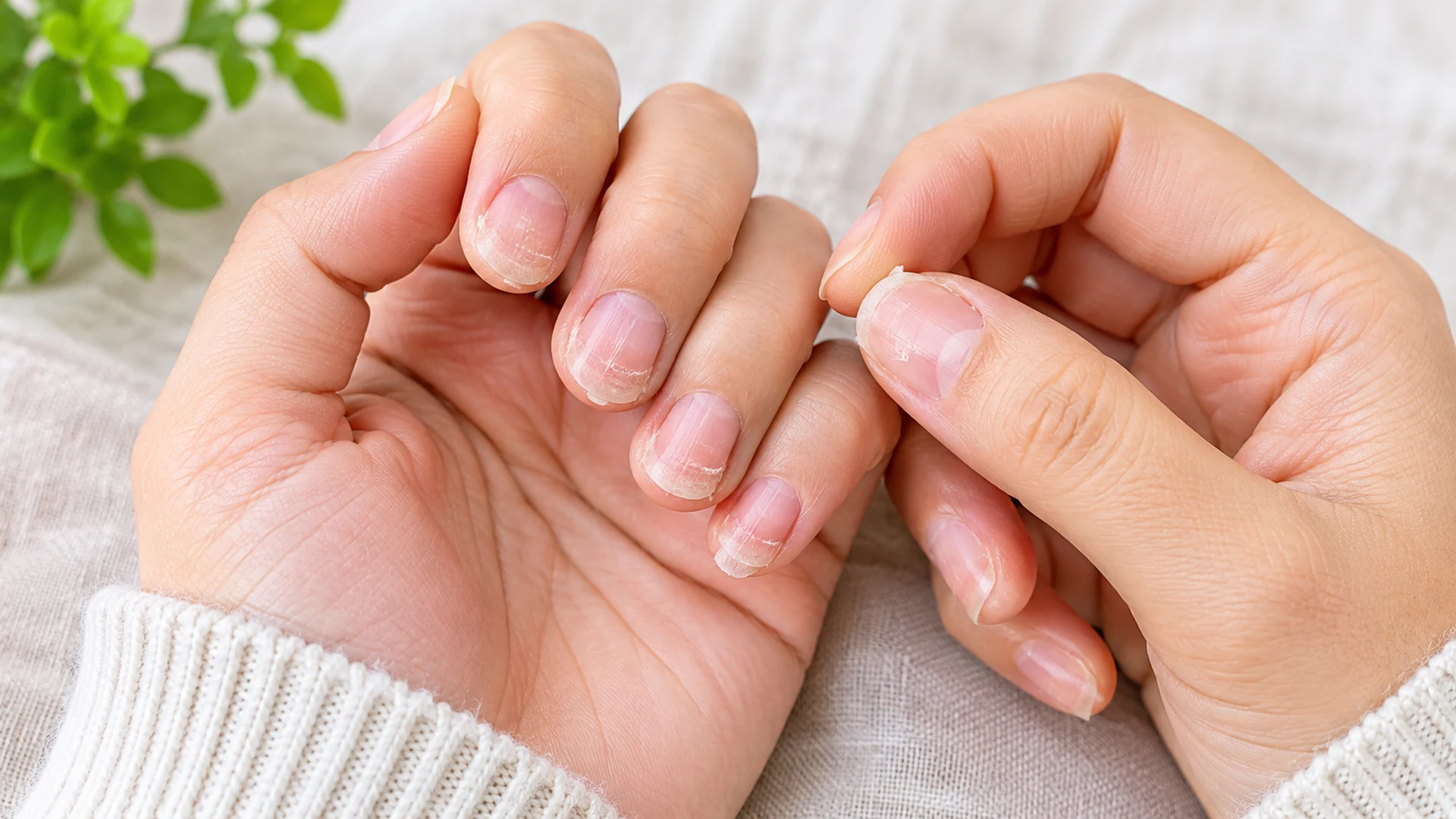
Why are my nails peeling? Nails usually peel in thin layers because they have lost moisture or been damaged. The most common weak peeling nails causes are repeated wetting and drying, harsh removers, gel or acrylic wear, picking habits, cold dry air, ageing, low nutrient intake and, less often, a health condition. Most causes are fixable with gloves, rich hand cream and gentler nail habits.
Do your nails split, flake or peel off in layers no matter how careful you are? You are not alone. Whether you live in the US, UK, Canada, Germany, France or Finland, winter air and indoor heating dry out nails in the same way. This guide gives you each cause and one practical fix.
Key takeaways
- Nails lose water faster than skin, so washing and sanitizer dry them out.
- Gel and acrylic nails, especially when peeled off, can pull away nail layers.
- Gloves, hand cream at bedtime and acetone-free remover help most people.
- See a doctor if nails also change color, shape or thickness, or do not improve after about a month of care.
What Are the Main Weak Peeling Nails Causes?
Nails are tougher than they look, but they wear down easily. Brittle nails often have more than one cause at the same time. Read the list below and pick the two or three that sound most like your daily life.
1. Does Repeated Handwashing Make Nails Peel?
Yes, it can. Nails lose water faster than skin does, according to Cleveland Clinic. Frequent handwashing and sanitizer can therefore dry them out and leave them brittle. The American Academy of Dermatology (AAD) also advises limiting water exposure.
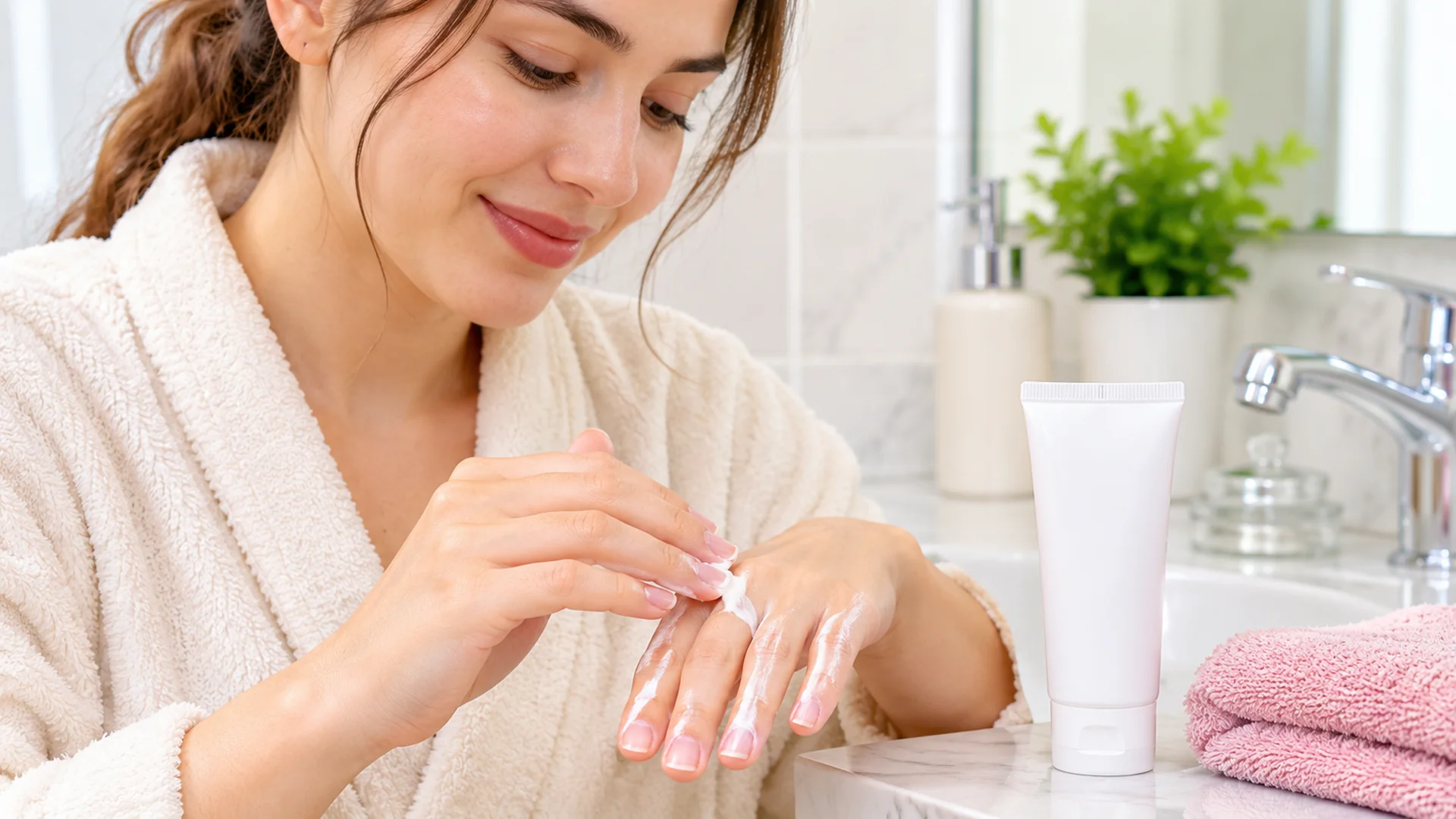
The fix: Wear gloves for dishes and cleaning, and moisturize right after washing your hands. At bedtime, rub a heavy hand cream into your nails and cuticles.
2. Can Nail Polish Remover and Cleaning Products Weaken Nails?
Yes. Mayo Clinic notes that acetone-based remover and frequent contact with cleaning products can wear nails down. Strong chemicals strip natural oils, and dry nails are more likely to split into layers.
The fix: Switch to an acetone-free remover for regular polish. Wear gloves with cleaning products. Skip nail products with drying alcohol, since Cleveland Clinic says alcohol-based conditioners dry nails further.
3. Do Gel and Acrylic Nails Cause Peeling?
They often do. Gel manicures can make nails brittle and lead to peeling and cracking, says the AAD. Acrylics require filing the natural nail, which thins and weakens it. Frequent touch-ups add to the damage.
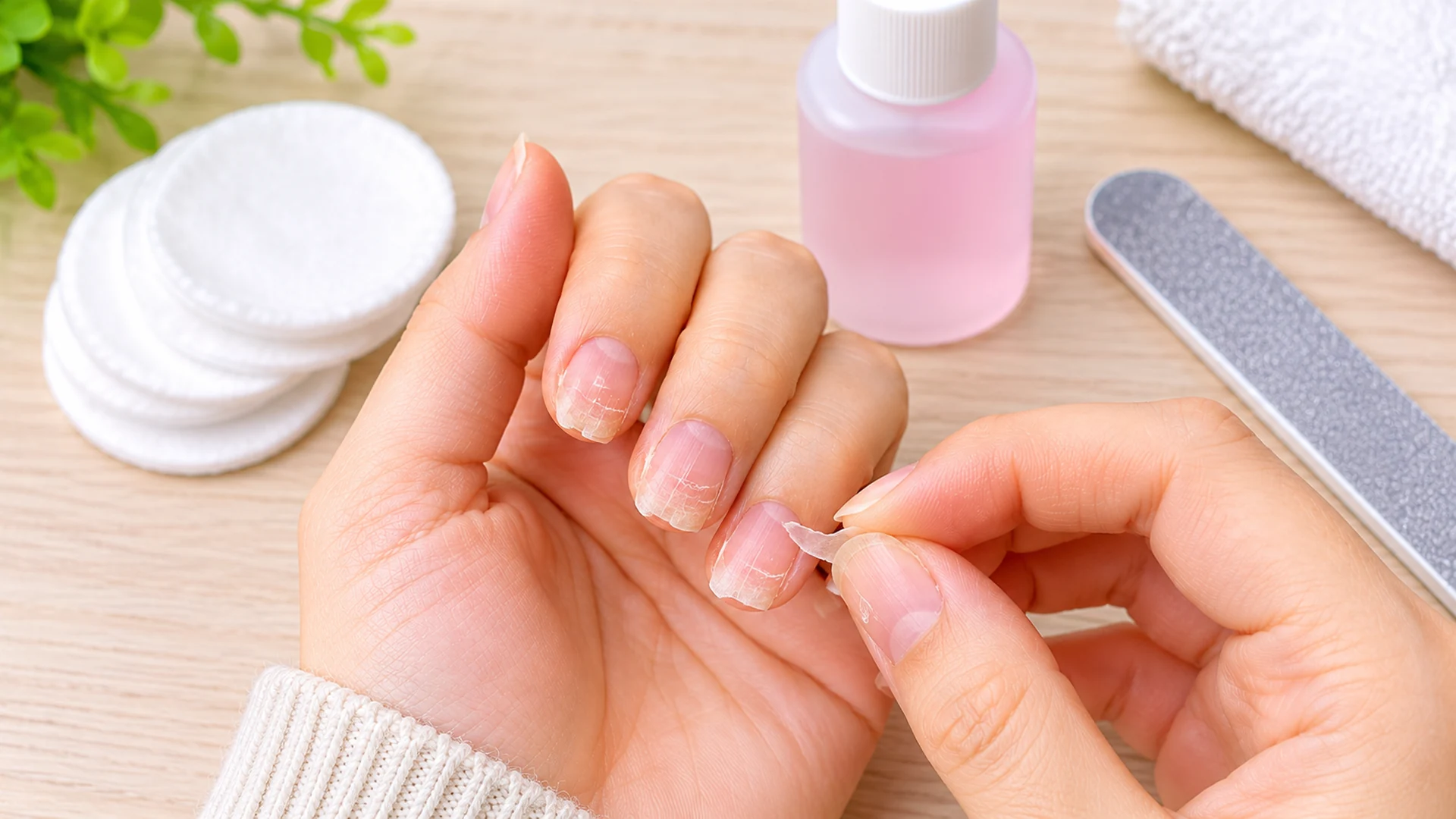
Removal is often the biggest problem. Picking at gel or scraping it off can pull away nail layers along with the polish.
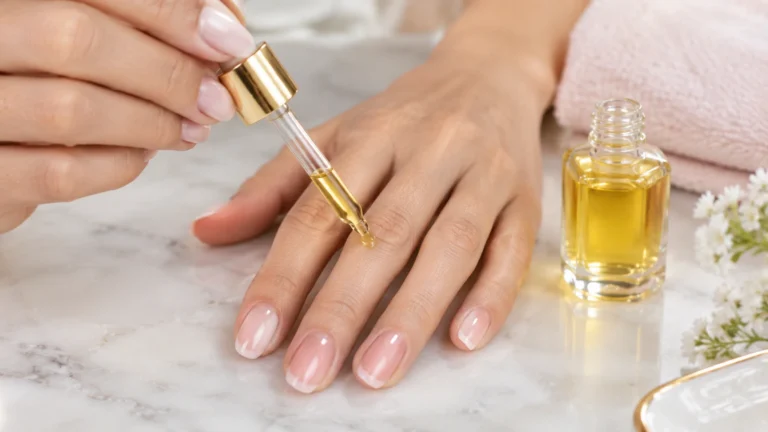
The fix: Save gel and acrylics for special occasions and never peel them off. Ask for a soak-off style, and give your nails a break of at least one to two weeks between manicures, as the AAD suggests. Cuticle oil can also help dry nails and skin, so see what cuticle oil does for your nails.
4. Do Picking, Biting and Using Nails as Tools Matter?
They do, because small habits add up. The AAD says to avoid biting your nails, cutting your cuticles or using your nails as tools, since these habits can cause chipping, splitting and lifting. Mayo Clinic adds that biting and cuticle picking can also open the door to infection.
The fix: Use a tool or the pad of your finger to open cans and packages. If you bite your nails, Cleveland Clinic suggests keeping them short. Leave your cuticles alone, because they protect new nail growth, and clip a hangnail carefully instead of pulling it.
5. Is Cold, Dry Winter Weather a Cause?
It can be. Mayo Clinic lists repeated exposure to very hot or very cold conditions as a possible cause of weak nails. WebMD also points out that dry winter air can make nails crack and split. If your nails always look worse from November to March, this may be your main trigger.
The fix: Wear gloves outdoors in cold weather. Keep hand cream in your bag, your car and next to the sink so you actually use it.
6. Do Nails Get Weaker With Age?
Often, yes. Cleveland Clinic explains that nails grow more slowly as we age, so each nail stays exposed to dry air, water and sanitizer for longer. That extra exposure can make nails drier and more fragile over time.
The fix: You cannot stop ageing, but you can protect your nails better. Moisturize more often, keep nails short and gently rounded, and go easy on polish and removers.
7. Can Poor Nutrition Cause Brittle Nails?
Possibly. Cleveland Clinic lists low protein, iron or vitamin B as possible nutritional causes. WebMD adds that protein deficiency can weaken nails but is rare in the United States, and that some studies link low selenium to weaker nails.
The fix: Eat balanced meals with enough protein and a variety of foods. Biotin may help brittle nails, according to Cleveland Clinic and Mayo Clinic, but it works slowly. WebMD advises against large doses without a doctor’s guidance, so ask your doctor before you start any supplement. Cleveland Clinic also says extra water or gelatin will not noticeably improve nails.
8. Can a Medical Condition Make Nails Weak?
Sometimes. Cleveland Clinic lists fungal infection, psoriasis, thyroid disorders and Raynaud’s syndrome among the conditions that can affect nails. It also notes that brittle nails can be a side effect of chemotherapy. Mayo Clinic mentions skin conditions such as lichen planus and dermatitis.
The fix: This one is not do-it-yourself. If your nails do not improve with good care, or other symptoms appear, talk with a doctor. Only a professional can tell what is behind the changes.
What Is a Simple Daily Routine for Brittle Nails?
You do not need a long routine. Consistency matters more than fancy products. This plan covers the causes above.
| When | What to do |
|---|---|
| After every hand wash | Pat dry and apply hand cream to nails and cuticles |
| During chores | Wear gloves for dishes and cleaning products |
| At bedtime | Apply a heavy cream or petroleum jelly to hands and nails |
| Once a week | Trim or file any snags, rounding the tips gently |
| Between polish | Let nails rest and use acetone-free remover |
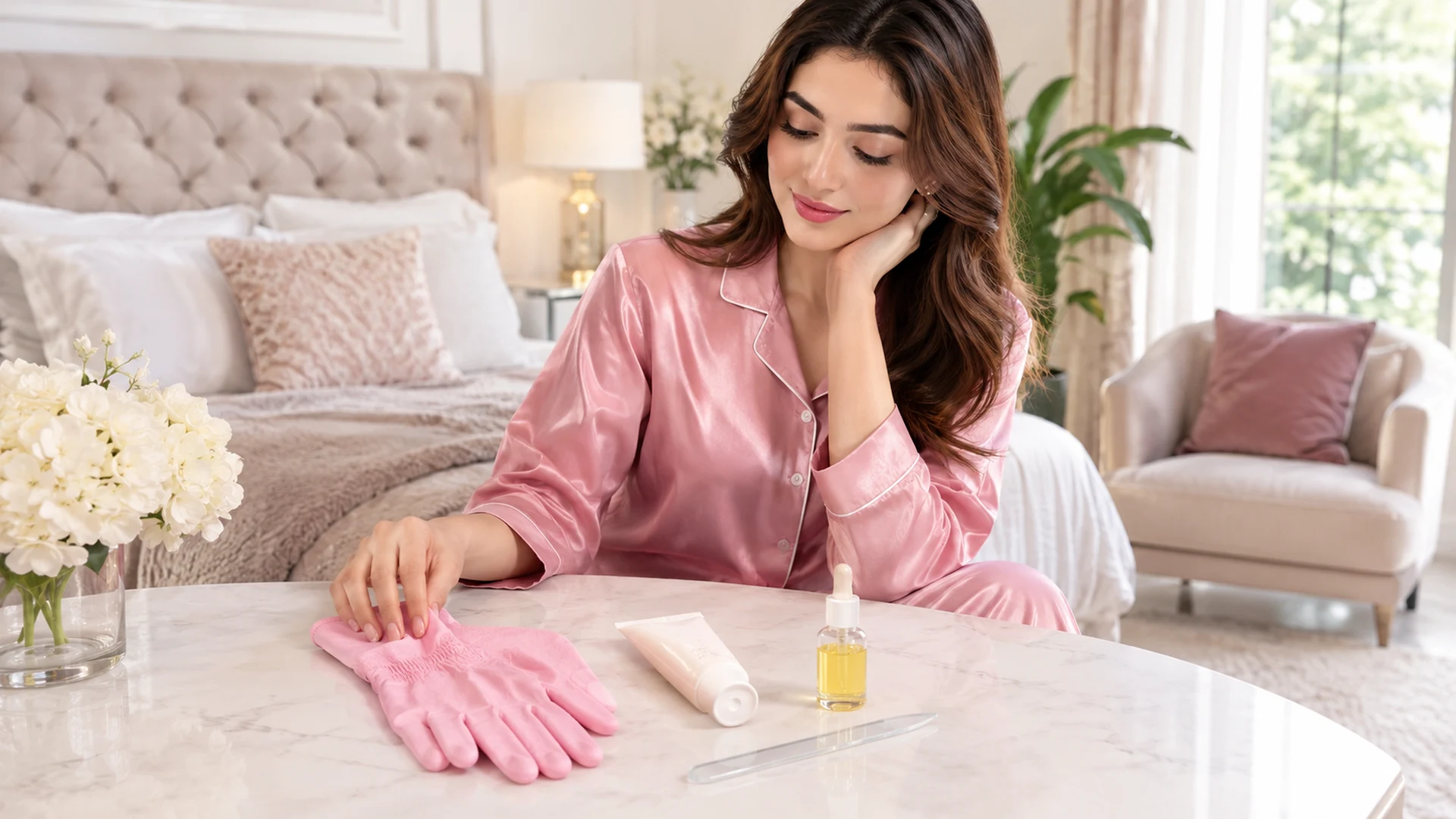
Cleveland Clinic also suggests nail “slugging.” This means covering moisturized hands with petroleum jelly or a similar product overnight so the moisture stays put. If your nails keep breaking, file or clip them shorter.
Want more everyday habits? Our post on how to get healthy nails with 9 easy habits walks through them step by step. You can also browse all of our Nails Care Tips.
When Should You See a Doctor About Nail Changes?
Most brittle nails improve with better care. Mayo Clinic suggests talking with a doctor or dermatologist if your nails do not improve after about a month of self-care, or if nail problems come with other symptoms. The AAD recommends seeing a board-certified dermatologist for any nail change, even though many are not serious. Watch for these:
- Color: a new or changing dark streak, or nails that look yellow, white, pale or blue.
- Shape: nails that lift away from the nail bed, curve downward or dip in the middle like a spoon.
- Thickness: nails that thicken or overgrow.
- Texture: deep grooves across the nail, or small pits and dents.
- Signs of infection: redness, swelling, soreness or pain around the nail.
The AAD also stresses getting treatment for any nail problem if you have diabetes or poor circulation. This article is general education, not a diagnosis. A doctor or dermatologist can examine your nails and give advice that fits you.

FAQs
Why are my nails peeling in layers?
Layered peeling is often linked to dryness, repeated wetting and drying, harsh removers, or damage from gel and acrylic nails. Picking at polish can also lift nail layers. Gloves, regular moisturizing and gentler removal usually help. If peeling continues despite good care, check in with a doctor.
Is it normal for nails to peel in winter?
It is common. WebMD notes that dry winter air can make nails crack and split, and Mayo Clinic lists cold conditions as a possible cause of weak nails. Gloves outdoors and hand cream through the day usually make a difference.
How long does it take to fix brittle nails?
Nails grow slowly, so be patient. Cleveland Clinic says biotin can take six to eight weeks to show results across the nail bed, and Mayo Clinic suggests seeing a doctor if nails do not improve after about a month of self-care. Healthier nail grows in gradually.
Are biotin supplements safe for weak nails?
Some research suggests biotin may help brittle nails, according to Mayo Clinic. However, WebMD advises against large doses without a doctor’s guidance. Check with your doctor or pharmacist before you buy a supplement.
Can nail polish cause peeling nails?
Polish itself is not always the problem, but frequent removal and chipped polish can dry nails out. Cleveland Clinic says gel manicures can be damaging, especially when removed. If you want color, try a clear polish, use an acetone-free remover and take regular polish-free breaks.
Final Thoughts
Weak, peeling nails are common, and most causes are fixable with small changes. Start with moisture, gloves and gentler removal, then give your nails a few weeks to respond. Next, learn how to apply nail lacquer like a pro, or join our newsletter for more simple beauty tips.
Medical note: this article is for general education and does not replace advice from a doctor or dermatologist. Last reviewed: 11 November 2026.