

Clean beauty has moved from a niche trend to an everyday choice. People want to know what goes on their skin, and they want clean beauty products that still work. This guide explains what clean beauty means, how to read labels, how to pick trustworthy clean beauty brands and how to build a simple clean skin care routine without wasting money.
What Is Clean Beauty?
Clean beauty generally refers to cosmetics, skincare and personal care products made with ingredient safety and transparency in mind. Brands often avoid certain additives, use simpler formulas and list every ingredient clearly. Because there is no single legal definition, the term can mean different things from brand to brand, so you should always check the ingredient list yourself.
It is also not the same as “natural”. A product can be natural and still irritate sensitive skin, and a lab-made ingredient can be gentle and well tested. The goal of clean beauty is to make informed choices, not to chase perfection.
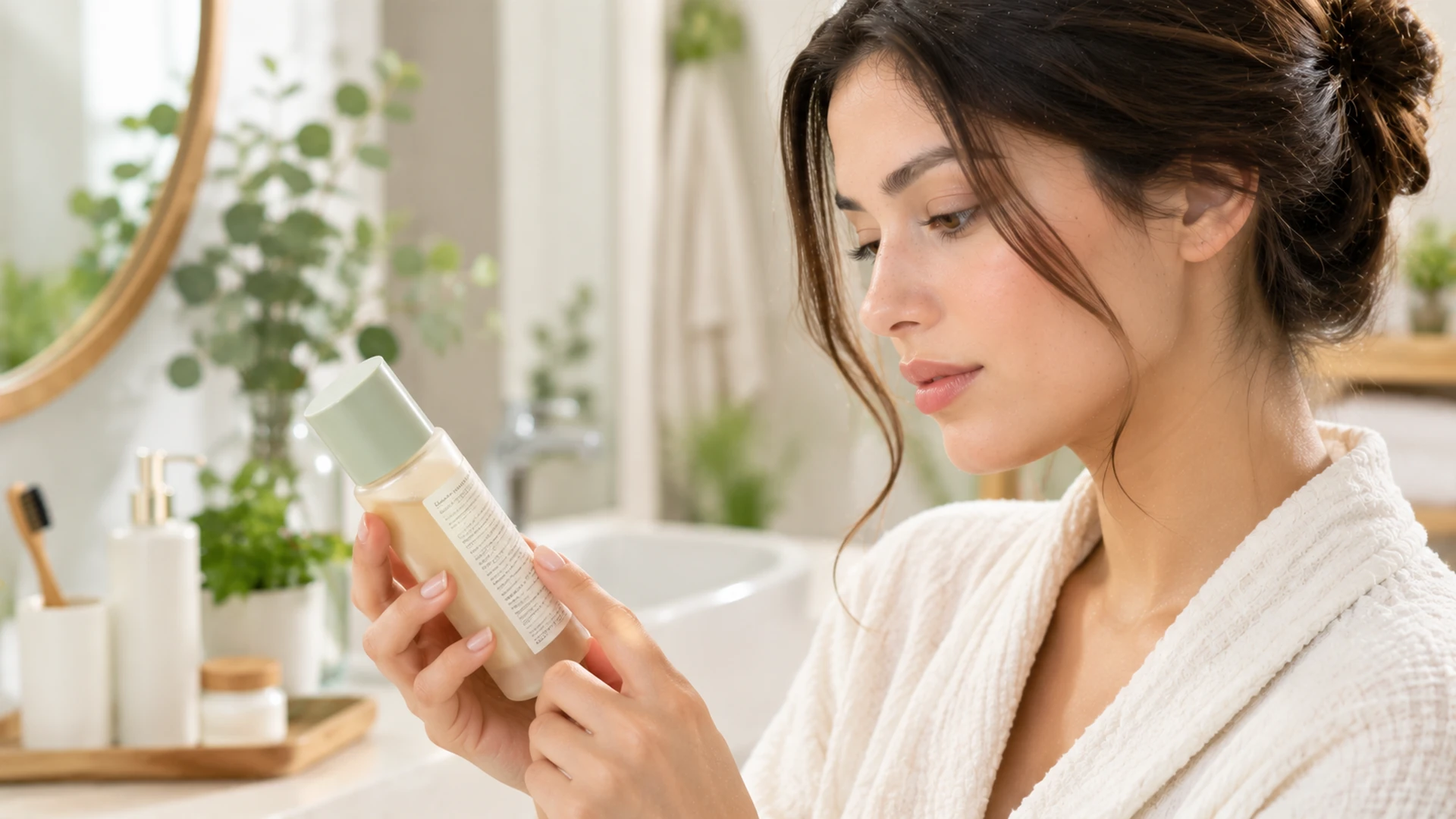
How to Read Clean Beauty Labels
- Short is not always better: A longer list can include helpful ingredients like humectants and stabilizers.
- Check the order: Ingredients are listed from the highest to the lowest amount.
- Watch for fragrance: If you have sensitive skin, fragrance-free products are usually the safer choice.
- Look for clear expiry information: Natural formulas often have a shorter shelf life.
- Be careful with big claims: Words like “pure”, “non-toxic” or “chemical-free” are marketing terms, not guarantees.
- Do a patch test: Try a small amount on your inner arm for 24 hours before using a new product on your face.
A Simple Clean Skin Care Routine
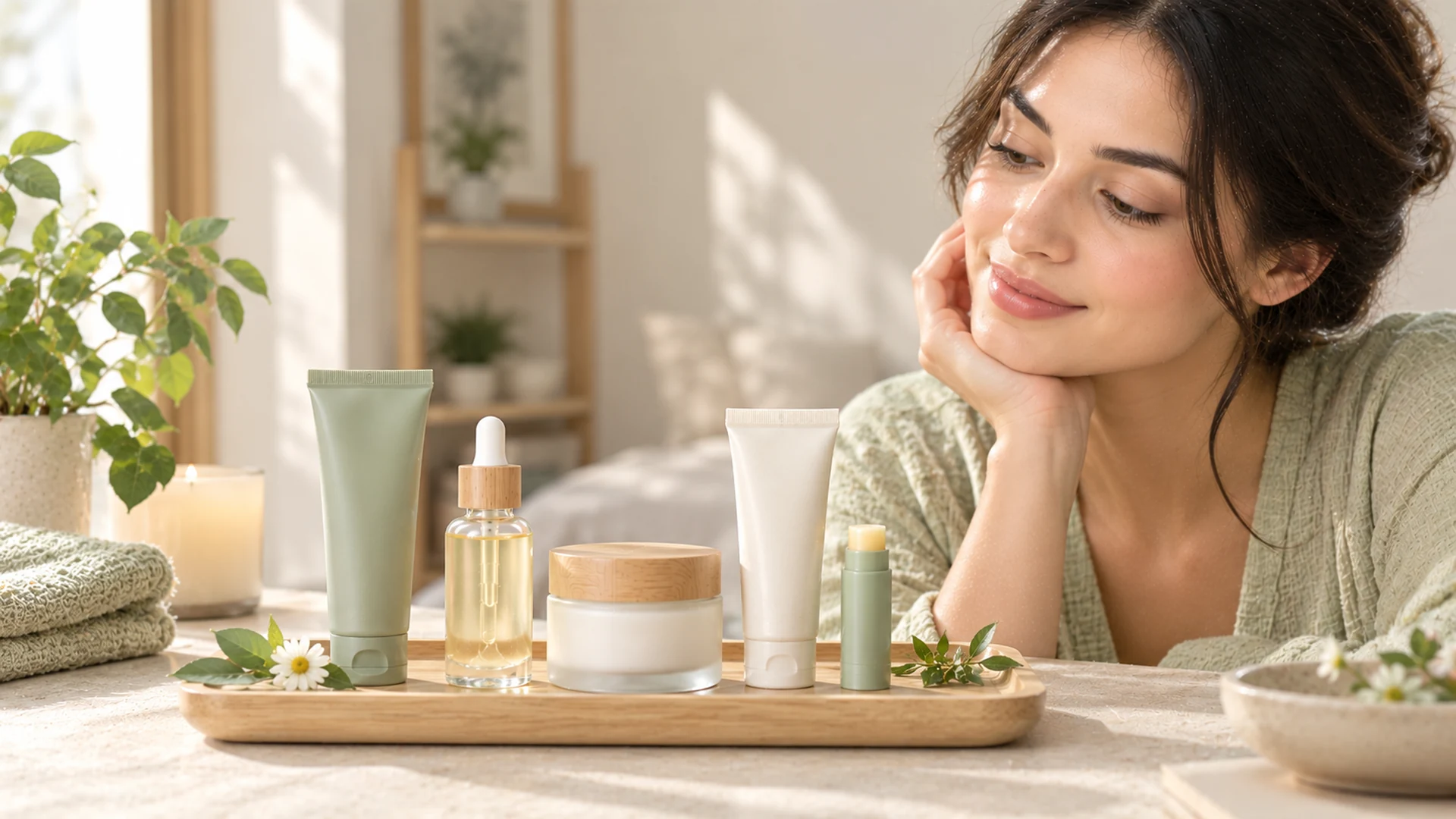
A good clean skin care routine does not need ten steps. Four or five well-chosen products are enough for most people.
- Cleanser: Choose a gentle, soap-free face wash that does not leave skin tight.
- Serum: Hyaluronic acid or vitamin C, depending on your skin goals.
- Moisturizer: A light gel for oily skin, a richer cream for dry skin.
- Sunscreen: Mineral sunscreens with zinc oxide are popular for sensitive skin. Never skip this step.
- Lip balm: Simple formulas with shea butter or beeswax.
How to Choose Clean Beauty Brands
With so many clean beauty brands online, it helps to have a checklist instead of trusting packaging alone. A trustworthy brand usually:
- Lists every ingredient clearly, including the full ingredient name and not only the “hero” ones.
- Explains what it leaves out and why, without scaring you.
- Shares third-party testing, safety data or recognized certifications.
- Is honest about results and avoids promises like “cures” or “erases” skin problems.
- Offers clear information about expiry dates, storage and recyclable packaging.
- Has real customer reviews, not only influencer posts.
Start with one or two products from a brand you trust and see how your skin reacts before buying the full range.
Clean Cosmetics: Easy Makeup Swaps
Clean cosmetics follow the same label rules as skincare. If you want to switch your makeup bag, do it slowly, starting with products that touch your skin the longest.
- Foundation or skin tint: Look for short ingredient lists and shades that suit your skin tone.
- Mascara and eye products: Choose gentle, ophthalmologist-tested formulas and replace them every three months.
- Lip products: Tinted balms with simple oils and butters are an easy first swap.
- Blush and bronzer: Cream formulas often have fewer ingredients than powders.
Clean Personal Care Swaps
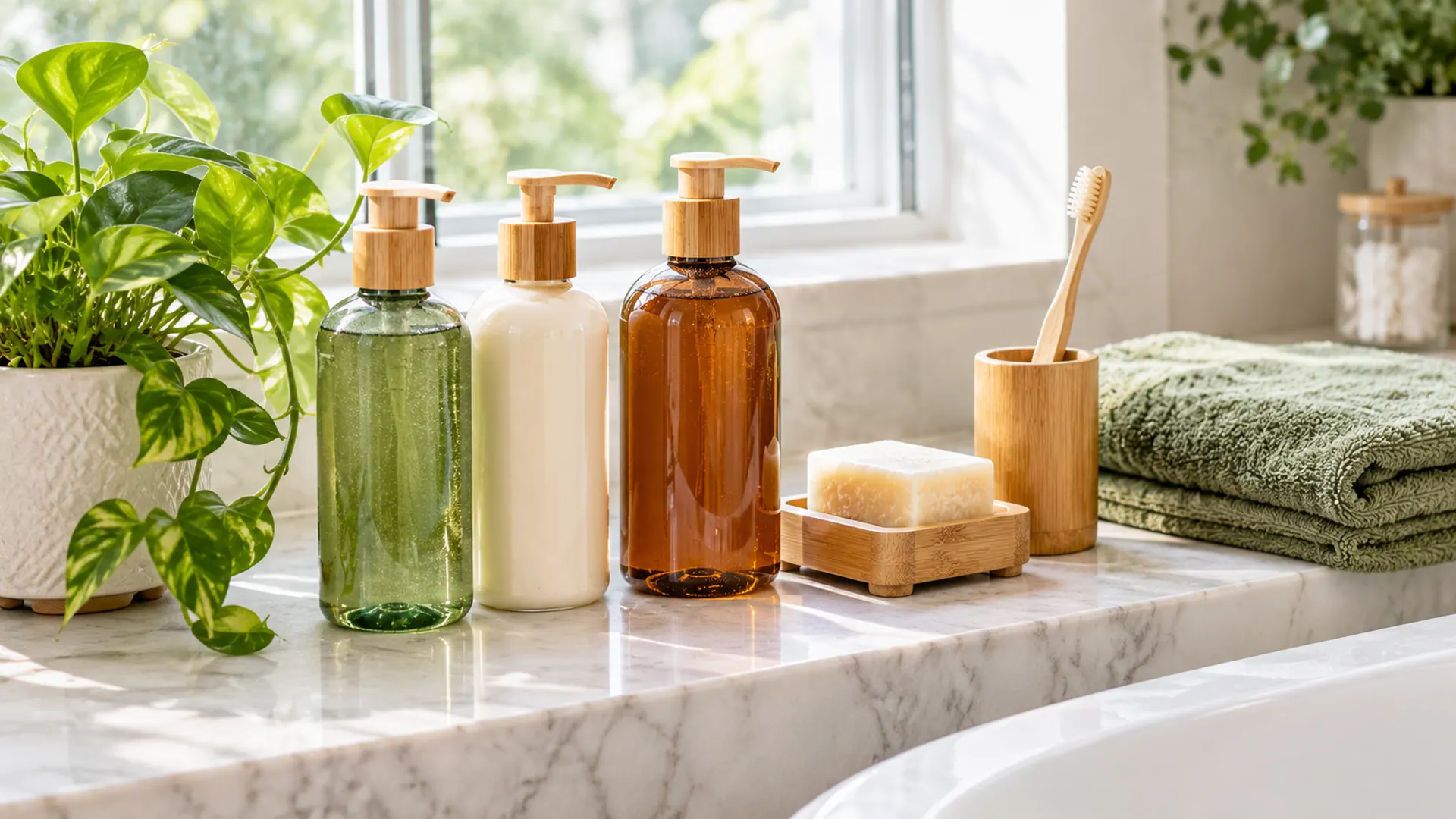
- Shampoo and conditioner: Sulfate-free options are gentler on the scalp.
- Body wash: Choose fragrance-light or fragrance-free formulas.
- Deodorant: Try aluminium-free versions and see how your skin feels.
- Toothpaste and mouthwash: Pick trusted brands that suit your dental needs.
- Home fragrance: Use essential-oil diffusers or soy candles in well-ventilated rooms.
Common Clean Beauty Mistakes
- Throwing away all your products at once instead of swapping gradually.
- Believing every natural ingredient is gentle. Essential oils can irritate skin.
- Skipping sunscreen because it is not on a “clean” list.
- Paying more only for packaging and marketing.
- Using too many new products together, so you cannot tell which one caused a reaction.
Frequently Asked Questions
What does clean beauty mean?
Clean beauty usually means products made with ingredient safety and transparency in mind, often without additives a brand considers questionable. There is no single legal definition, so reading the ingredient list matters.
What are clean beauty products?
Clean beauty products are skincare, makeup and personal care items with transparent ingredient lists and simpler formulas. Brands usually avoid certain additives and often use recyclable or refillable packaging.
How do I choose clean beauty brands?
Look for brands that list every ingredient, explain what they leave out, share third-party testing or certifications and are honest about what their products can and cannot do. Avoid brands that rely only on fear-based marketing.
What is the difference between clean skin care and clean cosmetics?
Clean skin care covers products you use to care for skin, such as cleanser, serum, moisturizer and sunscreen. Clean cosmetics covers makeup such as foundation, blush, lip products and mascara. The same label-reading rules apply to both.
Is clean beauty safer than regular beauty?
Not always. Natural ingredients can still cause allergies or irritation, and many synthetic ingredients are very safe. Patch test any new product and talk to a dermatologist if you have a skin condition.
Final Thoughts
Clean beauty is about making calm, informed choices. Read labels, patch test, keep your clean skin care routine simple and replace products slowly. Choose clean beauty brands that are open about their ingredients, and remember that the best routine is the one your skin likes and you can keep up.
This article is for general information. If you have a skin condition or allergies, please talk to a dermatologist before changing your routine.